Have you ever wondered when the right time is to use your oven’s self-clean feature? You’re not alone.
Many people find themselves unsure about when to utilize this handy function, even though it’s a standard feature in most modern ovens. You’re about to discover the secrets that many homeowners overlook, making your life easier and your kitchen cleaner.
Imagine having one less chore to worry about, freeing up your time for things you truly enjoy. By understanding the ideal moments to activate your oven’s self-clean mode, you can keep your appliance in top condition and ensure your meals are always cooked in a pristine environment. Stay with us as we uncover the best practices for using your oven’s self-clean feature, and transform the way you handle kitchen maintenance.
Benefits Of Oven Self-cleaning
Oven self-cleaning makes cleaning easy and safe. It uses high heat to burn off food and grease. This saves time and effort. No need for harsh chemicals. High temperatures do the work for you. Your oven becomes fresh and ready to use. It’s a great way to keep it free from germs.
Self-cleaning is cost-effective. Less need for buying cleaning supplies. It also helps your oven last longer. Proper cleaning reduces wear and tear. Keeping it clean can prevent damage. Using self-clean keeps your oven in top shape.

How Oven Self-cleaning Works
Oven self-cleaning uses high heatto remove dirt. The oven door locks during cleaning. This keeps everyone safe. The cleaning cycle takes a few hours. During this time, the oven gets very hot. It is important not to open the door. This process turns dirt into ash. The ash is easy to wipe away. No chemicals are used. Self-cleaning is safe and effective. It saves time and effort. Just press a button to start the cycle. Always read your oven’s manual first. Some ovens have different settings. Follow instructions carefully.
Signs Your Oven Needs Cleaning
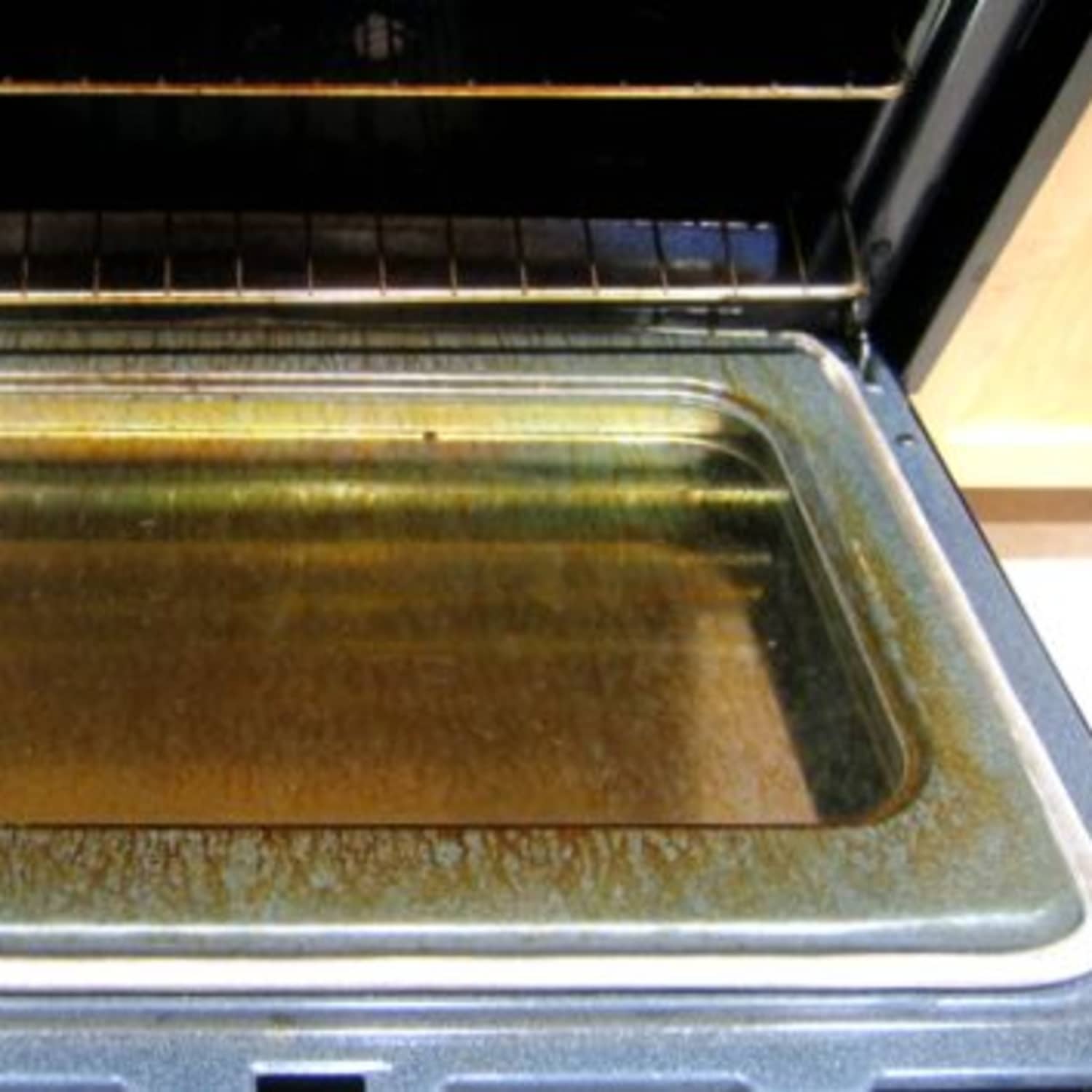
Smoke comes out when you open the oven door. Food spills on the bottom are burning. A strong, bad smell fills the kitchen. These are signs your oven needs cleaning. An unclean oven can change the taste of your food. Grease and grime build up over time. It makes your oven work harder. This uses more energy and costs more money.
Check if the oven glass is dirty. Can you see through it? If not, it’s time to clean. You might also notice uneven cooking. Food doesn’t cook well. This is because dirt blocks heat. Clean ovens cook food better and faster.
Preparing For Self-cleaning Cycle
Ensure proper ventilation in your kitchen. Open windows to let fresh air in. Keep kids and pets away from the oven during cleaning. Wear gloves to protect your hands. The oven gets very hot. Do not leave the house while the oven cleans itself. Check for smoke or strong odors. These can be normal but should be monitored. Read your oven’s manual for specific safety tips.
Take out all racks and trays. Remove any pots or pans. Clear away any food or crumbs. The oven should be empty. Do not leave anything inside. Wipe down the inside of the oven. This will help the cleaning cycle. Double-check that nothing is left inside. Close the oven door firmly before starting.
Best Times To Use Self-clean Feature
A good time to use the self-clean feature is after big meals. Cooking for a holiday or party? Use it after the event. This helps remove food spills and grease. Another time is when you notice strong smells. These smells come from burnt food inside. Using the self-clean will help keep your oven fresh.
It’s also wise to use it when you have free time. The self-clean process can take a few hours. Plan it for a day when you are at home. This way you can keep an eye on it. Lastly, use it before family visits. A clean oven makes cooking easier and keeps food safe.

Frequency Of Self-cleaning
The oven’s self-clean feature is handy. Use it after heavy baking or roasting. Grease and spills build up fast. Cleaning once every few months is usually enough. More frequent use might cause wear. Check the oven’s manual for specific advice. Some ovens need less cleaning. Others might need more.
Avoid overusing the self-clean feature. It can stress the oven. Use it wisely to keep your oven working well. Regular manual cleaning helps too. Wipe spills after each use. This reduces the need for self-cleaning. Keep your oven in top shape with these tips.
Alternatives To Self-cleaning
Cleaning an oven by hand is a good option. It needs a bit of effort, but it works well. Warm water and dish soap can clean grease. Use a soft sponge to scrub. Don’t scratch the oven surface.
Another method is using baking soda and vinegar. Make a paste with them. Apply to the oven spots. Let it sit overnight. Wipe clean the next day. This method is gentle on ovens.
Natural cleaners are safe and effective. Lemon juice is one of them. It cuts grease and smells nice. Mix it with water. Spray it inside the oven. Let it sit and wipe away.
White vinegar is another choice. It removes stains and odors. Spray it on greasy spots. Wipe it off with a damp cloth. These solutions are easy and safe for your oven.
Common Issues With Self-cleaning
Self-cleaning ovens can get very hot. This heat can cause damage. Oven parts might warp or break. The door seals are at risk. They might not work well after cleaning. Glass doors can crack from the heat. Electronic parts may also get affected. Be careful and read the manual.
Self-cleaning ovens can produce strong smells. These smells can fill your home. They come from burning food particles. The smell can be unpleasant for some people. Open windows to let in fresh air. Fans can help move the smell outside. Keep pets and kids away during cleaning. The odor might bother them.
Maintaining A Clean Oven
Regular cleaninghelps keep your oven fresh. Start by removing loose food crumbs. Use a damp cloth to wipe surfaces. Avoid using harsh chemicals. They can damage the oven. Baking soda and water work well. Mix them to make a paste. Rub it inside the oven. Let it sit for a while. Then, wipe it off. This removes stains.
Preventive measurescan save time and effort. Line the bottom with foil. This catches spills and drips. Use an oven tray for messy dishes. It prevents splatters. Always cover food when cooking. This stops grease from spreading. Check and clean oven seals often. They should be tight. A loose seal lets dirt in. Regular care keeps the oven clean.
Frequently Asked Questions
How Often Should I Use Oven Self-clean?
Use the oven’s self-clean feature every three to six months. The frequency depends on how often you cook. Regular use helps maintain the appliance’s efficiency. If you notice excessive smoke or odors, it’s a good time to clean. Frequent spills or burnt-on food might require more frequent cleaning.
Is Oven Self-cleaning Safe?
Oven self-cleaning is generally safe if used correctly. Follow the manufacturer’s instructions carefully. Ensure proper ventilation during the process. Remove any large food debris beforehand. Keep children and pets away due to high temperatures. Regular maintenance and checks can prevent any potential issues.
Can I Leave My Home During Self-cleaning?
It’s not recommended to leave your home during self-cleaning. The process involves high temperatures that can pose risks. Stay nearby to monitor any unusual noises or smells. Ensure proper ventilation to reduce smoke. It’s essential for safety and peace of mind.
What Should I Remove Before Self-cleaning?
Remove oven racks and any loose debris before starting self-cleaning. These items can discolor or warp under high heat. Clean the area around the oven to ensure good ventilation. Check the manufacturer’s guidelines for any specific items to remove. Ensuring a clear oven reduces the risk of smoke.
Conclusion
Using the oven’s self-clean feature saves time and effort. It simplifies the cleaning process, making it easy for busy individuals. Remember to check your oven’s manual for specific instructions. This ensures the self-clean cycle runs smoothly. Regular cleaning keeps your oven efficient and safe.
After each self-clean, wipe away residue for better results. Choose cooler days to avoid excess heat in your kitchen. Always prioritize safety by removing racks and items before starting. A clean oven improves cooking performance and extends its lifespan. Keep these tips in mind for a spotless oven.
Happy cooking!


