

Have you ever wondered if your outdoor thermometer can do more than just show the current temperature? What if it could help you track weather patterns and temperature trends over time?
Understanding these trends can be a game-changer for planning your day, gardening, or even protecting your home. You’ll discover how outdoor thermometers work and whether they can truly help you measure temperature trends. Keep reading to find out how to make the most of your thermometer and stay ahead of the weather.
Types Of Outdoor Thermometers
Outdoor thermometers come in several types, each with unique ways to measure temperature. Choosing the right one depends on how you want to track temperature trends. Some offer basic readings, while others provide detailed data over time.
Understanding these types helps in picking a thermometer that suits your needs. Let’s explore the common kinds of outdoor thermometers available.
Analog Thermometers
Analog thermometers use liquid, usually mercury or alcohol, inside a glass tube. The liquid expands or contracts as temperature changes, moving up or down the scale. They are simple and do not need batteries. These thermometers show current temperature but do not store past data for trends.
Digital Thermometers
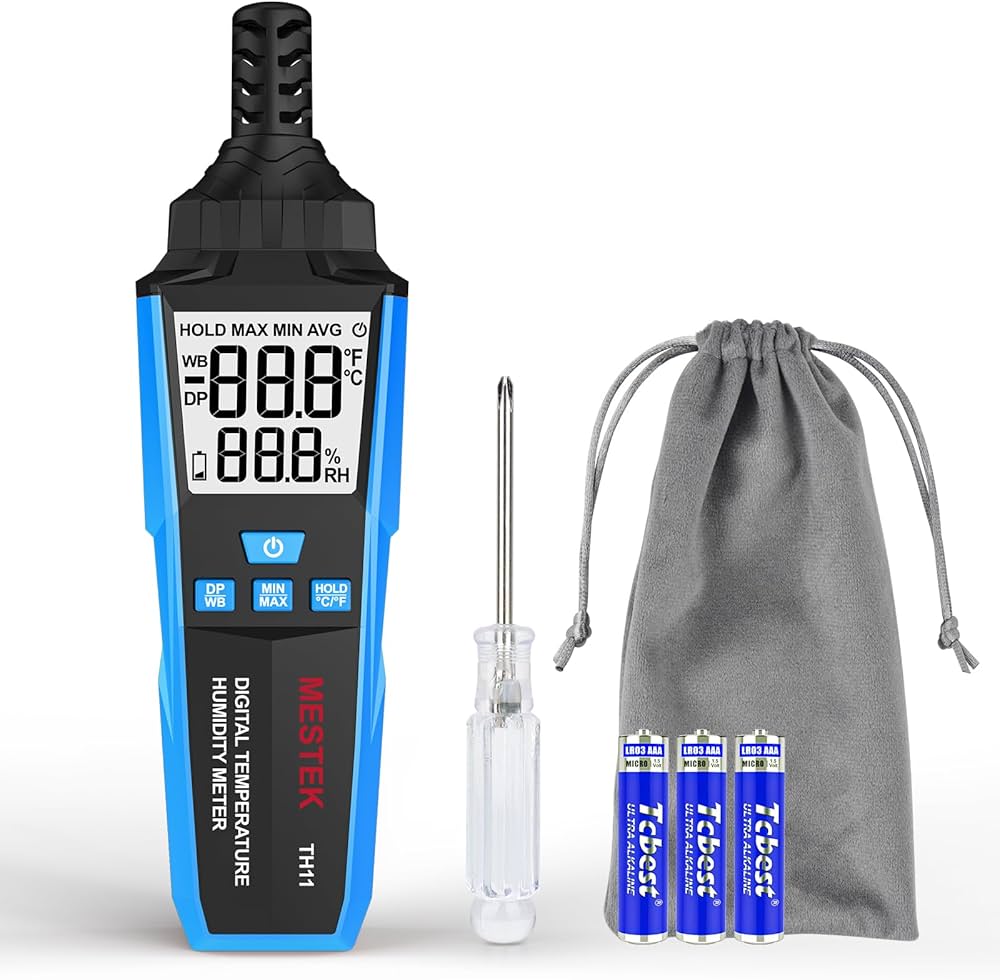
Digital thermometers display temperature on a screen using electronic sensors. They are easy to read and often more accurate than analog types. Some models save temperature records, helping users see changes over days or weeks. Batteries power these devices.
Wireless And Smart Thermometers
Wireless thermometers connect to smartphones or home systems. They send temperature data remotely, allowing easy monitoring from anywhere. Smart thermometers can track temperature trends over time and send alerts if the temperature changes suddenly. These are ideal for detailed weather tracking and home automation.
Accuracy Factors For Outdoor Thermometers
Outdoor thermometers help track temperature trends over time. Their accuracy depends on several key factors. Understanding these factors ensures you get reliable temperature readings.
Placement And Exposure
Where you place the thermometer affects its accuracy. Avoid direct sunlight, which can cause false high readings. Place it in a shaded spot with good airflow. Keep it away from walls or heat sources. Proper exposure ensures the thermometer measures the true air temperature.
Calibration And Maintenance
Regular calibration keeps the thermometer accurate. Check the thermometer against a known standard often. Clean the device to remove dirt or dust. Replace batteries if needed. Well-maintained thermometers provide consistent and trustworthy readings.
Environmental Influences
Weather conditions impact thermometer performance. Rain, snow, and wind may affect the sensor. Extreme temperatures can cause slow response or damage. Consider these factors when reading or placing the thermometer. Understanding environmental effects improves trend tracking accuracy.
Tracking Temperature Trends
Tracking temperature trends helps understand weather patterns over time. Outdoor thermometers provide real-time readings. But tracking changes day by day needs more than just checking the current temperature. Using tools that record and store data makes it easier to see how temperatures shift across days, weeks, or months.
Data Logging Capabilities
Some outdoor thermometers have built-in data loggers. These devices save temperature readings automatically. Users can collect data at set intervals, like every hour or every day. This stored data shows temperature changes over time. It helps notice patterns, like colder nights or warmer afternoons. Data logging is useful for gardeners, weather watchers, and researchers.
Using Thermometers With Apps
Many modern thermometers connect with smartphone apps. These apps display temperature trends in easy graphs. They also allow users to export data for further analysis. Apps can send alerts about sudden temperature changes. This feature helps users stay informed about weather shifts. Using an app makes tracking simple and accessible for everyone.
Limitations In Long-term Trend Analysis
Outdoor thermometers may not always give perfect long-term data. Factors like placement, sunlight, and weather can affect accuracy. Some devices lose calibration over time, causing errors. Data gaps can happen if batteries die or devices fail. For long-term studies, professional weather stations offer more reliable results. Still, outdoor thermometers give valuable insights for everyday temperature tracking.

Benefits Of Measuring Temperature Trends Outdoors
Measuring temperature trends outdoors gives useful information about the environment. It helps people plan daily activities and make smart decisions. Tracking temperature changes over time shows patterns that one-time readings cannot.
Knowing these trends helps improve gardening, weather awareness, and home energy use. Outdoor thermometers provide accurate data to support these tasks. They track shifts in temperature that affect many parts of life.
Gardening And Agriculture
Temperature trends guide planting and harvesting times. Farmers and gardeners know when to protect plants from cold or heat. This data helps prevent crop damage and boosts growth. It also helps decide the best time to water plants.
Weather Forecasting At Home
Tracking outdoor temperature trends improves home weather predictions. It helps forecast frost, heat waves, or storms early. People can prepare better for weather changes. This reduces surprises and keeps families safe.
Energy Efficiency And Hvac Control
Temperature trends help control heating and cooling systems efficiently. Homeowners can adjust settings based on real outdoor data. This saves energy and lowers utility bills. It also keeps the home comfortable throughout the year.
Tips For Choosing The Right Outdoor Thermometer
Choosing the right outdoor thermometer matters. It affects how well you track temperature trends over time. A good thermometer provides clear, reliable readings. It fits your daily needs and environment. Consider key factors before buying to get the best device for you.
Consider Your Needs
Think about why you want an outdoor thermometer. Do you need to watch temperature changes daily? Or just check the weather occasionally? Some thermometers show only current temperature. Others record trends for hours or days. Decide what suits your lifestyle and weather interest.
Check Sensor Quality
Sensor quality impacts accuracy and speed. Look for devices with high-quality sensors. These sensors respond quickly to temperature shifts. They also last longer in harsh weather. Avoid cheap sensors that give false or slow readings. A reliable sensor keeps your data trustworthy.
Look For Data Connectivity Features
Modern thermometers often connect to apps or smart devices. This feature helps track temperature trends easily. You can view detailed charts and receive alerts. Some models sync with weather stations or home systems. Choose a model with connectivity if data tracking is important.

Frequently Asked Questions
Can Outdoor Thermometers Track Long-term Temperature Trends?
Outdoor thermometers mainly provide current temperature readings. They don’t store historical data to track long-term trends. For trends, you need specialized weather stations or data loggers that record and analyze temperature over time.
How Accurate Are Outdoor Thermometers For Trend Analysis?
Outdoor thermometers give accurate instant readings but lack data storage for trends. Accuracy depends on placement and calibration. For reliable trend analysis, use digital weather stations with data logging features.
What Types Of Outdoor Thermometers Can Measure Trends?
Standard outdoor thermometers cannot measure trends. Digital weather stations with memory and sensors track temperature changes over days or months. These devices offer more precise and useful trend data for weather monitoring.
Why Can’t Regular Outdoor Thermometers Show Temperature Trends?
Regular thermometers only show the current temperature and lack memory functions. They don’t record or save past readings. Measuring trends requires devices that log data continuously over time.
Conclusion
Outdoor thermometers show current temperatures well. They help track daily weather changes easily. But they do not record long-term trends alone. For true temperature trends, use more data sources. Weather stations and climate reports offer better insights. Still, outdoor thermometers give quick, local readings.
They are useful for simple, everyday checks. Understanding their limits helps you use them smartly. Keep watching the weather to learn more. Small tools, big help.

