

Have you ever needed to check the temperature of something without touching it? That’s where an infrared thermometer comes in handy.
This simple tool can quickly measure heat from a distance, making your tasks safer and easier. Whether you’re cooking, fixing appliances, or checking your home’s heating, understanding how an infrared thermometer works can save you time and effort. Keep reading to discover exactly what an infrared thermometer is used for and how it can make your life easier.
Basics Of Infrared Thermometers
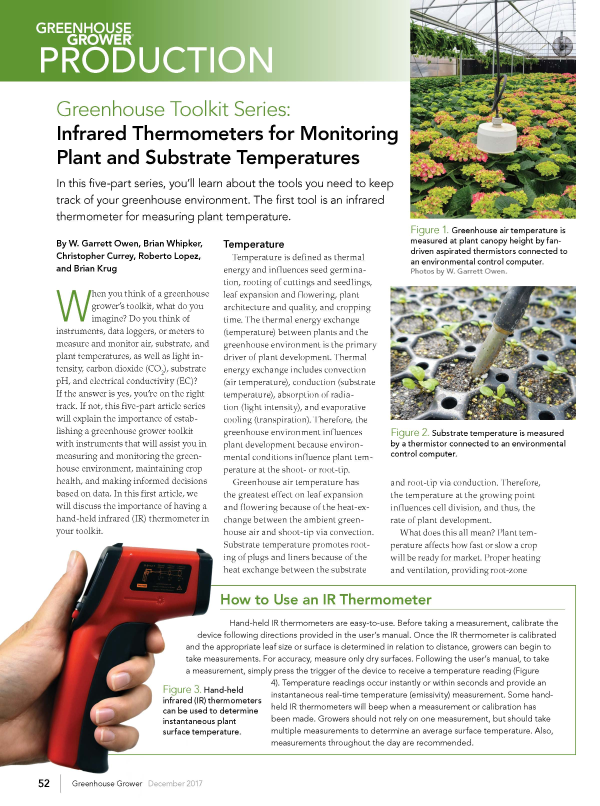
Infrared thermometers measure temperature without touching the object. They use invisible infrared light to detect heat. This tool is quick, safe, and easy to use in many situations.
Understanding the basics helps you use an infrared thermometer correctly. It shows why these devices are popular in homes, industries, and healthcare.
How Infrared Thermometers Work
All objects emit infrared energy, even if you cannot see it. Infrared thermometers detect this energy and convert it into a temperature reading. The device has a lens that collects infrared light. A sensor inside reads the light and turns it into an electronic signal. The signal shows the temperature on a digital display. No contact with the object is needed. This makes it safer and faster than traditional thermometers.
Types Of Infrared Thermometers
Several types of infrared thermometers exist. The most common are spot infrared thermometers. They measure temperature in a small area from a distance. Another type is the infrared thermometer gun, shaped like a pistol for easy aiming. Some models have laser pointers to help target the right spot. Other types include infrared thermal cameras. They show temperature across a wide area as a color image. Each type has its uses based on the job and environment.
Medical Uses
Infrared thermometers have become vital tools in medicine. They help measure temperature quickly and safely. Their non-contact design reduces the risk of spreading germs. These devices are common in clinics, hospitals, and even homes. Understanding their medical uses helps appreciate their importance.
Measuring Body Temperature
Infrared thermometers measure body temperature by detecting heat from the skin. They give fast and accurate readings in seconds. No need for physical contact with the patient. This feature makes them ideal for babies, children, and adults. They work well on the forehead or behind the ear. These thermometers help detect fever early. Early fever detection is crucial for timely treatment.
Non-contact Fever Screening
Non-contact fever screening is common in public places. Infrared thermometers scan many people quickly without touching them. This method helps identify people with high temperatures. It reduces the risk of spreading infections in crowded areas. Airports, schools, and offices use these devices often. They support health safety by preventing potential outbreaks. The process is simple and less stressful for everyone.
Industrial Applications
Infrared thermometers play a vital role in many industrial settings. They help workers measure temperature without touching hot or moving parts. This tool improves safety and saves time. It also helps find problems early before they cause damage.
Equipment Maintenance
Infrared thermometers check the temperature of machines quickly. High heat can show if a part is wearing out or stuck. Workers use these devices to monitor motors, bearings, and pumps. They catch overheating issues early to avoid costly repairs. This simple check can keep machines running smoothly.
Electrical Inspections
Electrical systems often get too hot when there is a fault. Infrared thermometers help spot hot spots in wires and panels. These hot spots may mean loose connections or overloads. Finding these problems early stops fires and equipment failure. Inspectors can scan electrical parts without touching live wires.
Food Safety
Food safety is very important to keep meals healthy and free from germs. Infrared thermometers help check food temperatures without touching the food. This tool makes sure food is safe to eat and stored properly.
Checking Cooking Temperatures
Infrared thermometers measure the surface temperature of cooked food. This helps ensure food reaches the right heat to kill harmful bacteria. For example, checking chicken or beef before serving prevents food poisoning. It saves time because you do not need to insert a probe. Quick and easy temperature checks keep food safe for everyone.
Monitoring Storage Conditions
Keeping food at the correct temperature during storage stops bacteria from growing. Infrared thermometers check the temperature of refrigerators and freezers fast. They find cold or warm spots that could spoil food. This helps maintain fresh and safe food for longer. Regular checks prevent waste and protect health.
Home And Hvac Uses
An infrared thermometer is a handy tool for many tasks around the home. It helps check temperatures without touching surfaces. Homeowners and HVAC professionals use it to find problems fast. It saves time and helps keep homes safe and comfortable.
Detecting Heat Loss
Heat loss wastes energy and raises bills. Infrared thermometers spot cold spots around windows and doors. They find areas where insulation is missing or damaged. This helps improve home insulation and save money. You can check walls, ceilings, and floors easily. The tool shows temperature changes clearly and quickly.
Locating Electrical Hotspots
Electrical problems can cause fires if ignored. Infrared thermometers detect hotspots in wiring and panels. Hot spots mean parts are overheating or overloaded. Early detection stops bigger issues and repairs costs. It helps electricians check circuits without touching live parts. This tool improves home safety and prevents accidents.

Automotive Diagnostics
Automotive diagnostics is key to keeping vehicles safe and efficient. It helps find problems before they get worse. An infrared thermometer is a useful tool in this process. It measures temperature without touching the parts. This makes checks faster and safer.
Engine Temperature Checks
The engine must run at the right temperature. Too hot or too cold can cause damage. An infrared thermometer reads the engine’s surface heat quickly. Mechanics can spot overheating early. This prevents costly repairs and breakdowns. It also helps check cooling system parts like radiators and hoses.
Brake System Monitoring
Brakes need to work well for safety. Overheated brakes can fail or wear out fast. Using an infrared thermometer, you can check brake disc temperatures. Hot spots show where brakes may be sticking or worn. This tool helps keep the brake system in good shape. It saves time and avoids brake failure risks.
Outdoor And Environmental Uses
Infrared thermometers have many uses outdoors and in nature. They help measure temperatures without touching objects. This makes them useful in many outdoor and environmental tasks.
Measuring Surface Temperatures
These thermometers quickly measure surface heat. They check soil, rocks, and water temperatures. Farmers use them to monitor soil warmth for planting. Campers check tent or cooking surface heat. It helps avoid burns or damage from heat.
Weather And Wildlife Monitoring
Infrared thermometers help track weather changes. Scientists measure temperature changes in different places. Wildlife experts check animal body heat without touching them. This helps study animal health and behavior safely. It also aids in protecting animals during cold or hot weather.

Frequently Asked Questions
What Is An Infrared Thermometer Used For?
An infrared thermometer measures surface temperature from a distance. It detects infrared radiation emitted by objects. It’s ideal for quick, non-contact temperature checks in various fields.
How Accurate Are Infrared Thermometers?
Infrared thermometers are generally accurate within ±1 to 2 degrees Celsius. Accuracy depends on the device quality and proper usage. They provide reliable readings for most practical applications.
Can Infrared Thermometers Measure Body Temperature?
Yes, infrared thermometers can measure body temperature quickly without contact. They are commonly used for fever screening in healthcare and public spaces. Proper technique ensures accurate results.
Where Are Infrared Thermometers Commonly Applied?
They’re used in medical, industrial, HVAC, food safety, and automotive fields. These thermometers help monitor temperatures in hard-to-reach or hazardous areas safely and efficiently.
Conclusion
An infrared thermometer helps measure temperature quickly and safely. It works without touching the object or person. Many people use it in homes, kitchens, and workplaces. This tool saves time and reduces risk of contamination. It also helps find problems early, like overheating machines or sickness.
Understanding its uses makes it easier to choose the right one. A small device with many helpful uses. Simple, fast, and useful every day.

