

Are you wondering if infrared thermometers really give accurate readings? You’re not alone.
Whether you’re checking your body temperature or measuring something else, you want to be sure the number you see is correct. You’ll discover how these devices work, what affects their accuracy, and when you can trust their results. By the end, you’ll know exactly what to expect from your infrared thermometer—and how to get the most reliable readings every time.
Keep reading to clear up the confusion and feel confident in your temperature checks.
How Infrared Thermometers Work
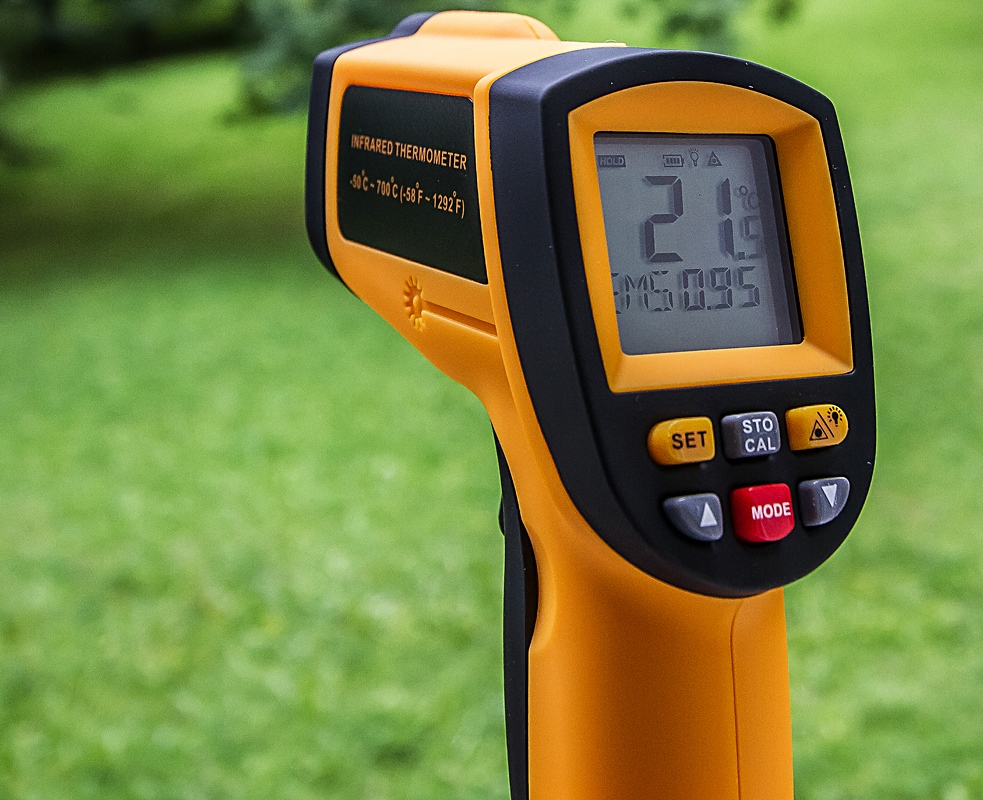
Infrared thermometers measure temperature without touching the object. They detect the heat or infrared energy that objects emit. All objects give off some heat, even if you cannot see it.
The thermometer has a special lens that captures this heat energy. It then sends the energy to a sensor inside the device. The sensor changes the heat energy into an electrical signal.
The thermometer reads this signal and shows the temperature on its screen. This process happens very fast, usually in seconds. It makes infrared thermometers useful for quick temperature checks.
Infrared Energy Detection
Every object emits infrared energy based on its temperature. Warmer objects emit more infrared energy. Infrared thermometers detect this energy from a distance.
Conversion To Electrical Signal
The infrared sensor inside the thermometer converts heat into electricity. This electric signal is proportional to the object’s temperature. The device then processes this signal to find the temperature value.
Temperature Display
The thermometer’s electronics calculate the exact temperature. The result shows on the digital screen. This allows users to read temperatures quickly and easily.

Factors Affecting Accuracy
Infrared thermometers provide quick temperature readings without contact. Their accuracy depends on several important factors. Understanding these factors helps you get the best results. Small mistakes can cause big errors in readings. Let’s explore what affects their accuracy.
Distance And Angle
Distance between the thermometer and the target matters a lot. The closer the device, the better the reading. Too far away, and the sensor may pick up extra heat. The angle also affects results. Point the thermometer straight at the surface for accuracy. Slanted angles can cause lower or higher readings.
Surface Type And Emissivity
Different surfaces emit infrared energy differently. Dark, rough surfaces give better readings than shiny or reflective ones. Emissivity is the ability of a surface to emit heat. Many infrared thermometers let you adjust emissivity. Setting it right improves measurement accuracy. Metals and mirrors often need special care.
Environmental Conditions
Environmental factors affect infrared thermometer accuracy. Strong sunlight can heat surfaces unevenly. Wind can cool the surface and lower the temperature reading. Dust, smoke, or steam in the air can block infrared signals. Measure in stable, clear environments for best results.
Common Misconceptions
Infrared thermometers often face many myths about their accuracy. These ideas can confuse users about how well these tools work. Clearing up wrong ideas helps people trust and use infrared thermometers better.
Misconception: Infrared Thermometers Measure Body Temperature Only
Many think infrared thermometers work only for checking body heat. Actually, they measure surface temperature of many objects. You can use them for food, machines, and even water. This tool is flexible and not limited to human use.
Misconception: Infrared Thermometers Are Always Inaccurate
Some believe these thermometers give wrong readings all the time. The truth is, they are accurate when used correctly. Distance and angle affect results. Read the instructions to get precise numbers. Proper use leads to reliable temperature checks.
Misconception: External Factors Do Not Affect Infrared Thermometers
People often ignore how environment impacts readings. Dust, steam, and sunlight can change results. Holding the device steady and avoiding bright light improves accuracy. Environmental conditions matter for correct temperature measurement.

Comparing Infrared To Traditional Thermometers
Infrared and traditional thermometers both measure temperature but work differently. Understanding their differences helps choose the right tool. Each has strengths and limits that affect accuracy and use.
Response Time
Infrared thermometers give a reading almost instantly. They detect heat from the surface without touching it. Traditional thermometers take longer. Mercury or digital types need time to adjust to body or object temperature.
Quick results make infrared tools useful for busy situations. Traditional ones require patience but can offer steady readings over time.
Ease Of Use
Infrared thermometers are easy to use. Point and press a button. No contact means less chance of spreading germs. Great for kids or many people.
Traditional thermometers need placing under the tongue or in the armpit. They may feel uncomfortable. Cleaning is needed after each use.
Measurement Types
Infrared thermometers measure surface temperature only. This works well for skin or objects. They cannot measure internal temperatures.
Traditional thermometers measure core body temperature. This helps detect fever or illness accurately. They are often preferred in medical settings.
Tips For Accurate Readings
Getting accurate readings from an infrared thermometer requires more than just pointing and clicking. Small mistakes can lead to wrong temperatures. This section gives simple tips to help you get the best results every time.
Proper Usage Techniques
Hold the thermometer at the right distance from the surface. Check the device manual for the exact range. Aim at a clean, dry spot without any dust or dirt. Avoid shiny or reflective surfaces that can distort the reading. Keep the sensor steady until the measurement is complete. Take multiple readings and use the average for better accuracy.
Calibration And Maintenance
Check the thermometer’s calibration regularly. Use a known temperature source, like an ice bath, to test accuracy. Follow manufacturer instructions for recalibration if needed. Keep the lens clean by wiping it gently with a soft cloth. Store the device in a safe, dry place to prevent damage. Replace batteries on time to ensure consistent performance.
Applications Of Infrared Thermometers
Infrared thermometers have many uses across different fields. They measure temperature without touching the object. This makes them quick and safe tools for many tasks. Their accuracy and ease of use make them popular in various settings.
Medical Uses
Infrared thermometers are common in hospitals and clinics. They check body temperature quickly and without contact. This helps reduce the spread of germs. They are useful for screening many people fast. Parents also use them at home to check children’s fevers. Their speed and safety make them ideal for health checks.
Industrial And Home Use
Industries use infrared thermometers to monitor machines. They check if equipment gets too hot. This prevents damage and keeps workers safe. At home, people use them to test ovens and grills. They can also find cold or hot spots in walls. This helps save energy by improving insulation. These thermometers make temperature checks easy and safe anywhere.
Frequently Asked Questions
Are Infrared Thermometers Reliable For Body Temperature?
Infrared thermometers provide quick and non-contact readings. They are reliable when used correctly on the forehead or ear. Accuracy depends on device quality and proper usage. External factors like sweat or ambient temperature can affect results.
How Accurate Are Infrared Thermometers Compared To Traditional Ones?
Infrared thermometers offer comparable accuracy to traditional thermometers if used properly. They measure surface temperature, which may slightly differ from internal body temperature. Calibration and environment impact precision, so follow manufacturer guidelines for best results.
What Factors Affect Infrared Thermometer Accuracy?
Accuracy can be influenced by distance, angle, and surface conditions. Dirt, sweat, or makeup can alter readings. Ambient temperature and device calibration also play roles. Correct usage ensures more precise and consistent measurements.
Can Infrared Thermometers Measure Temperature Of Objects Accurately?
Yes, infrared thermometers accurately measure surface temperature of objects. However, emissivity settings must be adjusted for different materials. They are ideal for quick, contactless temperature checks on machinery, food, and other surfaces.
Conclusion
Infrared thermometers can provide quick and useful temperature readings. They work best on bare skin or flat surfaces. Accuracy may vary with distance and environment. Always follow the device instructions for best results. Use them as a helpful tool, not a sole method.
Checking with other types of thermometers can confirm results. Trust but verify for important health decisions. Simple care and correct use improve accuracy a lot. Infrared thermometers remain a handy option for many situations.

