

If you love Korean food, there’s a good chance you’ve heard of Kimchi Fried Rice—called *Kimchi Bokkeumbap* in Korea. It’s a simple, satisfying dish with a bold, spicy flavor. Many people make it when they have leftover rice and kimchi at home. But what makes a really good kimchi fried rice? And how can you cook it perfectly, even if you’re not an expert in Asian cooking?
This guide will show you every step for making Korean Kimchi Fried Rice at home. You’ll learn what ingredients matter, how to pick the best kimchi, and what small tricks make a big difference. Even if you’re a beginner, you’ll be able to cook an authentic, tasty meal that feels like a Korean restaurant classic.
What Is Kimchi Fried Rice?
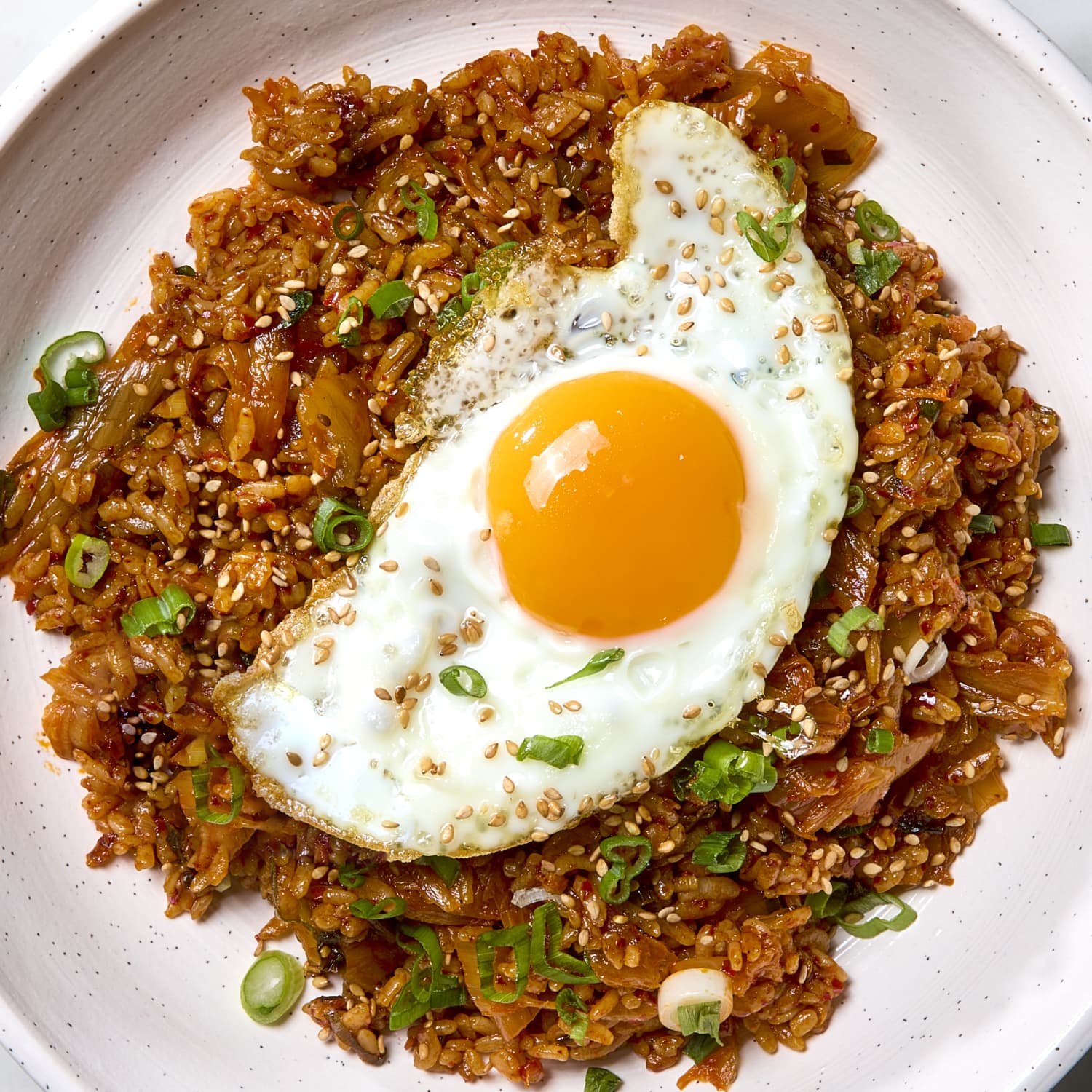
Kimchi Fried Rice is a Korean dish that blends cooked rice, kimchi (fermented cabbage), and a few simple ingredients. It’s spicy, tangy, and full of umami flavor. People love it because it’s fast, filling, and an excellent way to use leftovers. In Korea, it’s common as a quick lunch, dinner, or even a late-night snack.
Kimchi fried rice is popular with students, busy workers, and families. It’s also flexible—you can add meat, eggs, or keep it vegetarian. The strong taste of kimchi gives the dish its special kick.
Essential Ingredients And Their Roles
To make great kimchi fried rice, you need more than just rice and kimchi. Each ingredient has a purpose. Here’s what you need and why:
1. Cooked Rice
Use rice that is a day old, if possible. Fresh rice is too soft and sticky. Leftover rice is drier, so it fries better and absorbs flavors.
2. Kimchi
The heart of this dish. Old, sour kimchi is the best. It gives a deeper, tangier taste. If your kimchi is fresh, let it sit in the fridge for a few days.
3. Kimchi Juice
The liquid from the kimchi jar adds spicy and sour flavor. Don’t skip it!
4. Pork Belly Or Bacon (optional)
Adds richness and smoky flavor. You can use ham, sausage, or skip for a vegetarian version.
5. Onion And Garlic
These boost the savory taste.
6. Gochujang (korean Red Chili Paste)
Gives heat, sweetness, and color. You can adjust the amount to your spice level.
7. Soy Sauce
Adds salty, umami depth.
8. Sesame Oil
Drizzled at the end for a nutty aroma.
9. Egg
Fried or scrambled on top. It adds creaminess and balances the spice.
10. Green Onion And Toasted Sesame Seeds
For freshness and crunch.
Ingredient Quantities For 2 Servings
| Ingredient | Amount |
|---|---|
| Cooked rice (cold) | 2 cups |
| Kimchi (chopped) | 1 cup |
| Kimchi juice | 2-3 tbsp |
| Pork belly/bacon | 60g (2 oz), diced |
| Onion | 1/4, diced |
| Garlic | 2 cloves, minced |
| Gochujang | 1 tbsp |
| Soy sauce | 1 tsp |
| Sesame oil | 1 tsp |
| Eggs | 2 |
| Green onion | 2 stalks, sliced |
| Sesame seeds | 1 tsp |

Step-by-step Cooking Instructions
Let’s start cooking. You don’t need advanced skills—just follow each step carefully.
1. Prepare The Ingredients
- Chop the kimchi into small pieces (about 1 cm).
- Dice the onion and pork belly (or bacon).
- Mince the garlic.
- Slice the green onion for garnish.
Pro tip: Measure out all sauces before you start. This makes cooking faster.
2. Heat The Pan
Use a large non-stick frying pan or wok. Heat it on medium-high until hot, then add a little oil.
3. Cook Pork Belly Or Bacon
If using meat, add pork belly or bacon first. Fry until it turns golden and releases oil. This step builds the rich, smoky base.
4. Add Onion And Garlic
Put the diced onion and garlic in the pan. Stir-fry for 1-2 minutes until soft and fragrant, but not burned.
5. Add Kimchi
Add chopped kimchi and stir well. Fry for 2-3 minutes. The kimchi should become softer and some liquid will evaporate.
6. Add Gochujang And Kimchi Juice
Push the kimchi mixture to one side of the pan. Add gochujang and kimchi juice into the empty space. Stir them together until the paste softens and mixes with the oil. Then, combine everything.
7. Add Cooked Rice
Add the cold cooked rice. Break up large clumps with your spatula. Mix everything so the rice is coated with the sauce.
8. Season With Soy Sauce
Drizzle soy sauce around the pan’s edge (not directly on the rice). This helps it sizzle and add aroma. Mix well.
9. Fry Until Well Mixed
Continue stir-frying for 3-5 minutes. The rice should be hot, a little crispy, and evenly colored. Taste and adjust salt or spice if needed.
10. Finish With Sesame Oil
Turn off the heat. Drizzle sesame oil over the rice. Mix gently.
11. Fry Or Scramble Eggs
In a separate pan, fry eggs sunny-side up, or make a quick scramble. Serve eggs on top of the rice.
12. Garnish And Serve
Sprinkle sliced green onion and toasted sesame seeds. Serve hot.
Cooking time: 15-20 minutes
Servings: 2 people
Customizing Your Kimchi Fried Rice
You can easily adjust this dish to your taste or what you have at home.
Vegetarian Or Vegan Version
Skip pork belly and use a little more oil. Add tofu, mushrooms, or your favorite vegetables for protein and texture.
Add More Protein
Use diced chicken, shrimp, or even canned tuna. Just make sure to cook the meat thoroughly before adding kimchi.
Cheese Topping
Some people love to melt mozzarella cheese on top for a creamy, fusion twist. This isn’t traditional, but it’s popular in Korea, especially with young people.
More Vegetables
Try adding peas, carrots, zucchini, or spinach. Dice them small so they cook quickly.
Different Grains
You can use brown rice, quinoa, or even cauliflower rice for a lower-carb meal. The texture will change, but the flavor stays close.
Common Mistakes And How To Avoid Them
Even simple recipes can go wrong. Here are problems beginners often face, and how to fix them:
1. Using Fresh Rice
Fresh rice makes the dish mushy. Always use rice that has cooled and dried a little. If you must use fresh rice, spread it on a tray and chill it in the fridge for 20 minutes before using.
2. Not Enough Kimchi
Some people use too little kimchi, making the rice bland. Use at least 1/2 cup per serving for real flavor.
3. Skipping Kimchi Juice
The juice adds sharpness and color. Without it, your rice will lack depth.
4. Crowding The Pan
If you double the recipe, cook in batches. Too much rice in a small pan turns soggy.
5. Overcooking The Egg
If you like runny yolk, watch the egg closely. Overcooked eggs lose their creamy texture.
Why Kimchi Fried Rice Tastes So Good
There are reasons why kimchi fried rice is loved by so many:
- Balance of Flavors: Spicy, sour, salty, and sweet all in one bite.
- Great Texture: Chewy rice, crunchy kimchi, and a soft egg.
- Umami: Kimchi and gochujang both have deep, savory flavors that boost the whole dish.
- Customizable: You can add almost anything you like.
Kimchi Fried Rice Around The World
Kimchi fried rice is now popular outside Korea. In New York, Los Angeles, London, and Tokyo, you’ll find it on menus from food trucks to fancy restaurants. Some places serve it with cheese or even curry sauce. This shows how flexible the dish is.
Nutrition And Health Facts
Kimchi fried rice can be healthy if you balance the ingredients.
| Nutrient | Per Serving (Approx.) |
|---|---|
| Calories | 400-500 kcal |
| Protein | 12-15 g |
| Carbohydrates | 60-70 g |
| Fat | 15-20 g |
| Sodium | High (due to kimchi, soy sauce, gochujang) |
| Vitamins | Vitamin A, Vitamin C, some B vitamins |
Non-obvious insight: Kimchi is a fermented food, so it contains good bacteria for your gut. But, frying kills most of these. To keep some probiotics, add a little fresh kimchi on top just before serving.
Tips For Making Restaurant-quality Kimchi Fried Rice
- Use well-fermented kimchi. The sourer, the better. This is the secret to deep flavor.
- Cook at high heat. This gives a slight “wok hei” (smoky flavor) and prevents sogginess.
- Finish with sesame oil off-heat. If you cook sesame oil, it loses its aroma.
- Don’t rush the frying. Let the rice sit untouched for 30 seconds between stirs to develop a crispy bottom.
- Balance spice levels. If you don’t like too much heat, use less gochujang and add a pinch of sugar.
Kimchi Selection Guide
Not all kimchi is the same. Here’s how to choose the best for fried rice:
| Kimchi Type | Best For | Notes |
|---|---|---|
| Baechu (Napa Cabbage) | Classic fried rice | Sour and crunchy |
| Kkakdugi (Radish) | Extra crunch | Stronger, spicier |
| Fresh Kimchi | Not recommended | Too mild, watery |
| Store-bought | Quick meals | Look for “fermented” or “sour” on label |
Non-obvious insight: If your kimchi is too salty or spicy, rinse it briefly in water, then squeeze dry before chopping.
Pairings And Side Dishes
Kimchi fried rice is a meal on its own, but Koreans often serve it with simple sides:
- Roasted seaweed (gim): Wrap the rice for extra umami.
- Pickled radish or cucumber: Refreshes your palate.
- Miso soup or clear broth: Light and balances the dish.
A cold drink like barley tea or a light beer also works well.

Frequently Asked Questions
How Do I Store Leftover Kimchi Fried Rice?
Cool the rice quickly and keep it in an airtight container in the fridge. Eat within 2 days for best taste. Reheat in a pan for better texture—microwaves make it soft.
Can I Freeze Kimchi Fried Rice?
Yes, but the texture changes a bit. Freeze in portions. Thaw and fry again with a little oil. Add a splash of kimchi juice to freshen the flavor.
Is Kimchi Fried Rice Spicy?
Usually, yes—it’s moderately spicy. You can make it milder by using less gochujang, or spicier by adding Korean chili flakes (gochugaru).
What Can I Use Instead Of Gochujang?
Try sriracha, chili garlic sauce, or a mix of tomato paste and chili powder. The taste will be different, but still good.
Where Can I Learn More About Korean Food?
You can find more detailed information and recipes on Wikipedia: Korean Cuisine.
Kimchi fried rice is more than just a way to use leftovers—it’s a dish that brings comfort and excitement to your table. With a few basic steps and the right kimchi, you’ll create a meal that impresses friends and family, or just satisfies your late-night cravings.
Give it a try, and don’t be afraid to make it your own!

