

Have you ever wondered if your outdoor thermometer can handle the harshest weather conditions? When temperatures soar or plummet, you want to trust your thermometer to give accurate readings without breaking down.
But can it really survive extreme heat or freezing cold? If you’re relying on your outdoor thermometer to keep track of the weather, it’s important to know its limits. Keep reading to find out how extreme temperatures affect your device and what you can do to protect it.
This simple knowledge could save you money and keep your weather tracking spot-on all year round.
Types Of Outdoor Thermometers
Outdoor thermometers come in different types. Each one works in its own way to measure temperature. Some are better for extreme weather than others. Understanding the types helps you choose the right one for your needs.
Some thermometers show numbers on a screen, while others have a dial. Some measure temperature from a distance. Let’s explore the main types of outdoor thermometers.
Digital Thermometers
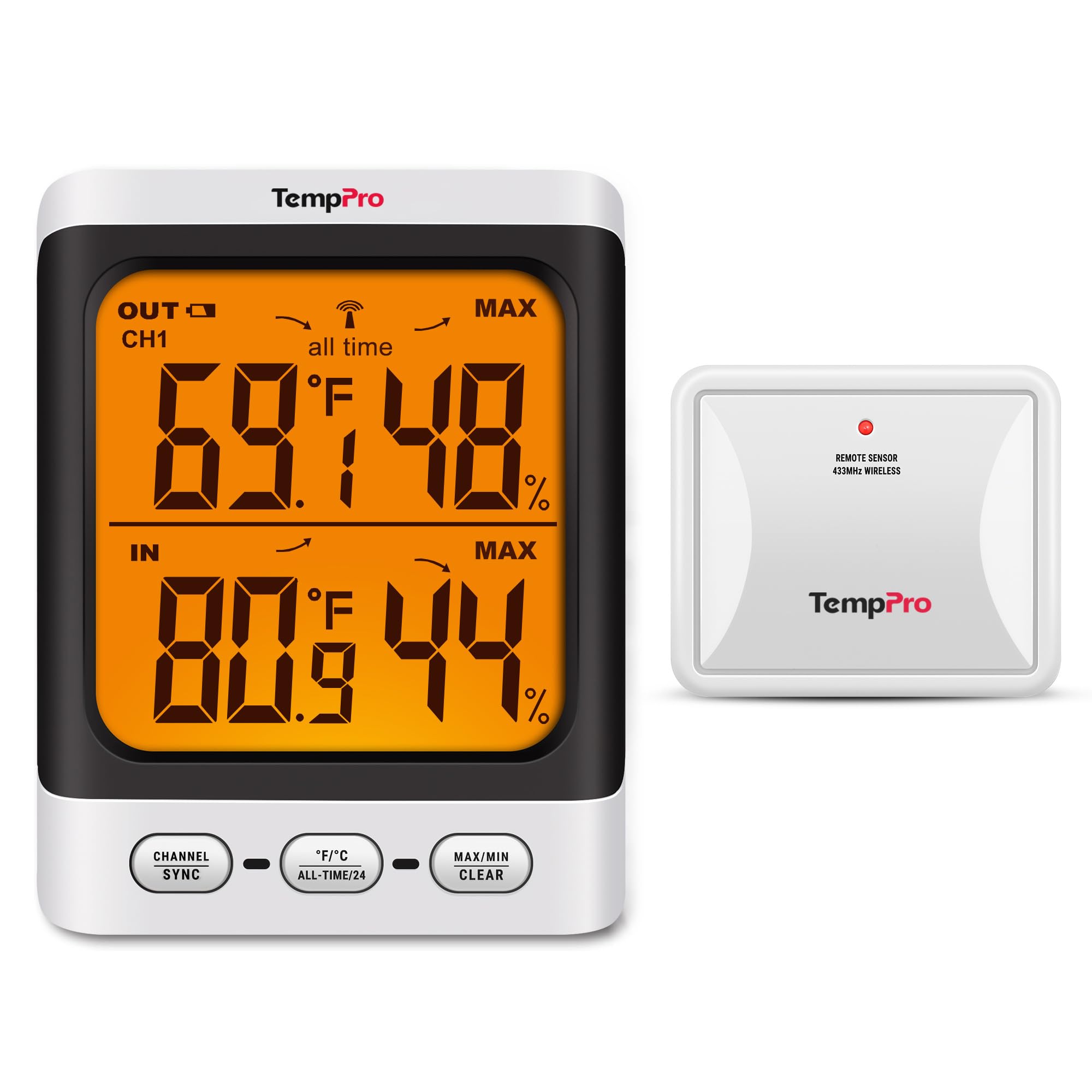
Digital thermometers use electronic sensors to measure temperature. They give quick and clear readings on a screen. Many models can handle cold and hot conditions well. Some have protective covers to resist weather damage. Batteries power these thermometers, so check them often. They are easy to read, even from a distance.
Analog Thermometers
Analog thermometers use liquid or metal to show temperature. The liquid rises or falls inside a glass tube. They do not need batteries. Some analog models can survive very low or high temperatures. However, extreme weather may break the glass or affect accuracy. They have a classic look and work without electricity.
Infrared Thermometers
Infrared thermometers measure temperature from a distance. They detect heat radiated by objects without touching them. These are useful for very hot or cold places where direct contact is risky. Infrared models are fast and precise. Some types are handheld, while others install on walls. They work well for quick outdoor checks.
Temperature Ranges And Limits
Outdoor thermometers have specific temperature ranges they can work within. These limits protect the device from damage and keep readings accurate. Understanding these ranges helps you choose the right thermometer for your climate. It also shows if the device can handle extreme weather conditions.
Extreme cold or heat can affect the thermometer’s parts. Some materials may freeze or melt. This can cause the thermometer to break or give wrong readings. Knowing the operating temperature specifications is key to avoiding these problems.
Operating Temperature Specifications
Most outdoor thermometers have a clear temperature range. This range shows the lowest and highest temperatures the device can handle. Common models work well between -40°F and 140°F (-40°C to 60°C). Digital thermometers may have wider or narrower limits. Checking the product label or manual gives the exact specs.
Thermometers made with durable materials last longer in tough weather. Metal and glass parts resist cold and heat better than plastic. Some models include weatherproof coatings. These help protect sensors from moisture and dust too.
Extreme Cold Conditions
In very cold places, thermometers can freeze. Liquid inside glass thermometers may solidify and expand. This causes cracks or leaks. Digital devices may stop working if batteries freeze. Cold can also slow sensor response times.
Look for thermometers tested for subzero temperatures. Some use special liquids or sensors designed for cold. Battery-powered units might need lithium batteries. These work better in freezing weather.
Extreme Heat Conditions
High heat can warp plastic parts and damage electronics. Mercury thermometers risk breaking if exposed to strong sunlight. Some thermometers shut off automatically to avoid overheating. Excess heat can also cause inaccurate readings.
Choose models rated for high temperatures if you live in hot climates. Metal cases and sun shields help protect the device. Avoid placing the thermometer in direct sunlight for long periods. Shade improves accuracy and device life.
Material Durability
Material durability is key for outdoor thermometers exposed to extreme temperatures. The right materials keep devices working well. They also protect against damage from sun, rain, and cold. Choosing thermometers with durable materials ensures accurate readings over time.
Weather-resistant Materials
Thermometers made with weather-resistant materials last longer outdoors. Metals like stainless steel resist rust and corrosion. Plastics with UV stabilizers do not crack or fade easily. These materials handle heat, cold, and storms without breaking down.
Impact Of Uv Exposure
Sunlight can damage outdoor thermometers. UV rays break down plastic parts and fade colors. Thermometers with UV-resistant coatings stay clear and readable. This protection keeps the display visible and the housing strong.
Resistance To Moisture And Frost
Moisture and frost cause many outdoor thermometers to fail. Water can seep inside and damage sensors. Frost can crack plastic or glass. Sealed designs and waterproof materials stop moisture from entering. Frost-resistant parts prevent cracks during freezing weather.

Accuracy In Extreme Temperatures
Outdoor thermometers are designed to measure temperature accurately. Extreme temperatures can affect their accuracy. Understanding how these conditions impact readings helps in choosing the right thermometer.
Factors Affecting Accuracy
Materials used in the thermometer can expand or contract with temperature changes. This affects the sensor’s ability to measure correctly. Exposure to direct sunlight may cause false high readings. Wind and moisture also influence the results. The placement of the thermometer matters a lot. A shaded, well-ventilated spot gives better accuracy.
Calibration Needs
Thermometers need regular calibration to stay accurate. Extreme temperatures can cause sensors to drift over time. Calibration involves comparing readings with a known accurate thermometer. Simple adjustments correct any errors found. Without calibration, readings can become unreliable, especially in harsh weather.
Common Accuracy Challenges
Freezing cold can slow sensor response and cause lag. Very high heat may damage sensitive parts inside. Ice or frost buildup blocks the sensor from sensing air temperature. Batteries in digital thermometers may fail in extreme cold. Mechanical thermometers can stick or break under stress. Knowing these challenges helps in proper care and use.
Installation Tips For Extreme Conditions
Installing an outdoor thermometer in extreme temperatures needs care. The right setup helps the device last longer and give accurate readings. Follow these tips to protect your thermometer from harsh weather.
Optimal Placement
Place the thermometer in a shaded area. Avoid direct sunlight to prevent false high readings. Keep it away from heat sources like vents or exhaust pipes. Mount it at eye level for easy viewing. Ensure good air flow around the device for correct temperature measurement.
Protective Housing Options
Use a weatherproof case to shield the thermometer. Look for materials that resist rain, snow, and strong winds. A ventilated housing helps avoid heat build-up inside. Some housings have UV protection to stop sun damage. Choose a cover that fits well but allows air circulation.
Maintenance Practices
Check the thermometer regularly for dirt and debris. Clean the sensor gently with a soft cloth. Replace batteries before they run out to avoid failures. Inspect the mounting to ensure it stays secure. Remove snow or ice buildup quickly to keep readings accurate.

Alternative Solutions For Harsh Environments
Outdoor thermometers often face tough conditions. Extreme cold or heat can damage normal devices. Standard thermometers may stop working or give wrong readings. Alternative solutions help measure temperatures accurately in harsh environments. These tools are built to last and perform well.
Specialized Thermometers
Specialized thermometers resist extreme temperatures. They use materials that do not break or freeze easily. Some models have reinforced casing for extra protection. These thermometers work well in deserts and cold places. They provide reliable data despite harsh weather.
Use Of Remote Sensors
Remote sensors keep the main thermometer safe from damage. They connect to a display inside a protected area. The sensor collects temperature data outside. This setup avoids exposure to extreme heat or cold. It ensures accurate readings without risking the device.
Smart Thermometer Technologies
Smart thermometers use wireless and digital technology. They send real-time data to phones or computers. These devices adjust to temperature changes automatically. Some models include alerts for unusual conditions. Smart thermometers offer convenience and precision in rough environments.
Frequently Asked Questions
Can Outdoor Thermometers Handle Extreme Cold?
Most outdoor thermometers are designed to work in freezing temperatures. However, some may freeze or give inaccurate readings in extreme cold. Choose thermometers specifically rated for low temperatures to ensure reliability in harsh winter conditions.
Are All Outdoor Thermometers Waterproof?
Not all outdoor thermometers are waterproof. Many models have water-resistant features but may not withstand heavy rain or snow. Look for thermometers with IP ratings or waterproof certifications for durability in wet weather.
How Do Extreme Heat Conditions Affect Thermometers?
Extreme heat can damage certain outdoor thermometers by warping materials or affecting electronic sensors. Thermometers made with heat-resistant materials and proper shielding perform better under high temperatures.
Can I Use A Digital Thermometer Outdoors In Extreme Weather?
Yes, but only if it is designed for outdoor use with a wide operating temperature range. Digital outdoor thermometers with protective casings and weatherproofing provide accurate readings even in extreme weather.
Conclusion
Outdoor thermometers can work in extreme temperatures, but choose wisely. Some models handle heat well, while others resist freezing cold. Check the thermometer’s specs before buying. Proper placement helps readings stay accurate. Protect your device from direct sun or harsh wind.
Regular care keeps it reliable longer. Understanding these tips ensures your thermometer lasts and shows correct temperatures. Simple steps make a big difference. Stay informed and enjoy precise outdoor readings all year round.

