

Have you ever wondered if the outdoor thermometer you rely on can also tell you how fast the wind is blowing? You might think one device could do it all, but is that really the case?
Understanding how your outdoor thermometer works—and what it can and cannot measure—can save you time and help you get more accurate weather info. Keep reading to discover the truth about outdoor thermometers and wind speed, so you know exactly what to expect from your weather tools.

How Outdoor Thermometers Work
Outdoor thermometers help measure the temperature outside. They are simple tools that give quick and clear readings. Knowing how these thermometers work helps understand their features and limits.
These devices rely on physical changes in materials to show temperature. Some use liquids that expand or contract. Others use electronic sensors to detect heat levels.
Basic Principles
Most outdoor thermometers work by reacting to temperature changes. Liquid thermometers use mercury or alcohol. The liquid moves up or down a tube based on heat.
Electronic thermometers use sensors that change resistance or voltage. The sensor sends signals to a display. This shows the current temperature clearly.
All thermometers must be placed where air flows freely. This avoids false readings from direct sunlight or heat sources.
Common Types
Liquid-in-glass thermometers are common and easy to use. They show temperature by the liquid level inside a glass tube.
Digital thermometers use electronic sensors for fast readings. They often include extra features like humidity detection.
Infrared thermometers measure surface temperature from a distance. They do not touch the object but sense heat radiation.

What Measures Wind Speed?
Measuring wind speed is important for weather forecasts and outdoor activities. Different tools can measure how fast the wind blows. These devices help us understand weather better and stay safe.
Anemometers Explained
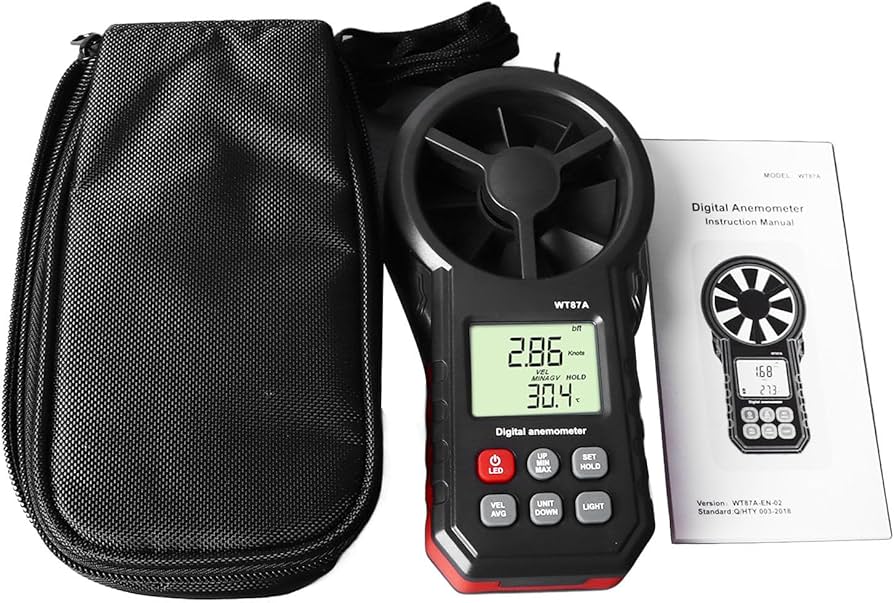
Anemometers are the most common tools for measuring wind speed. They have cups or blades that spin when the wind blows. The speed of the spinning tells us how strong the wind is.
There are several types of anemometers. Cup anemometers use three or four cups. Wind pushes the cups, making them spin faster or slower. Another type is the vane anemometer. It has a propeller and a tail to point the wind direction. Some anemometers use ultrasonic waves to measure wind speed without moving parts.
Other Wind Measuring Tools
Besides anemometers, there are other tools to measure wind. A wind sock shows wind direction and gives a rough idea of speed. It’s often seen at airports. Another tool is the pitot tube, used mainly in aviation. It measures wind pressure to calculate speed.
Weather stations sometimes use combined instruments. These can measure wind speed, direction, temperature, and humidity. Each tool has its own use depending on the need and setting.
Thermometers And Wind Speed
Outdoor thermometers are common tools for checking the temperature outside. They help people know how hot or cold it is at any moment. But can these devices also tell us about the wind? Understanding the connection between thermometers and wind speed can clear up many questions.
Can They Detect Wind?
Thermometers measure temperature only. They do not have sensors for wind speed. A thermometer shows how warm or cold the air is around it. It cannot sense how fast the air moves.
To measure wind speed, instruments like anemometers are used. These devices catch the wind and record how strong it blows. A regular outdoor thermometer cannot replace an anemometer.
Limitations Of Thermometers
Thermometers respond only to heat energy from the air or sun. They do not react to the force or movement of wind. Wind can affect temperature readings, but thermometers do not measure wind directly.
Strong wind may cool the thermometer faster, changing the temperature reading. This effect can confuse users into thinking the thermometer measures wind. Still, it only shows temperature changes caused by wind.
For accurate wind speed data, separate equipment is necessary. Outdoor thermometers help with temperature but fall short for wind measurement.
Effects Of Wind On Temperature Readings
Wind plays a big role in how outdoor thermometers show temperature. It moves the air around the sensor, which can change the reading. Understanding this effect helps in knowing if the temperature shown is close to the real feel outside.
Cold wind can make it feel much colder than the thermometer shows. The wind also cools down the thermometer itself, which may lower the temperature reading. This means the thermometer might not always give an exact measure of the air temperature.
Wind Chill Factor
Wind chill is the cooling effect of wind on exposed skin. It makes the air feel colder than the actual temperature. Thermometers do not measure wind chill directly. They only measure the air temperature. People often use wind chill to understand how cold it really feels outside.
Impact On Accuracy
Strong wind can lower temperature readings on outdoor thermometers. It cools the thermometer’s surface, causing a drop in the displayed temperature. This effect can cause errors, especially in high winds. Thermometers in sheltered spots give more accurate readings. Proper placement helps reduce wind’s impact on accuracy.
Choosing The Right Weather Instruments
Outdoor thermometers measure temperature well but cannot measure wind speed. To get a full picture of the weather, choosing the right tools is important. Each instrument has a specific job. Some measure temperature, others measure wind or humidity. Combining these tools helps you understand weather better.
Select instruments based on what you want to track. For example, an anemometer measures wind speed. A barometer measures air pressure. Use tools that fit your needs and location. This way, you get accurate and useful weather data.
Combining Tools For Accuracy
Using one instrument alone can give partial data. Combine an outdoor thermometer with an anemometer for better results. The thermometer shows temperature. The anemometer tells wind speed and direction. Together, they create a clearer weather picture.
Some weather stations include several tools in one device. These multi-sensors improve data accuracy. They also save space and are easy to install. Combining tools reduces errors and increases reliability.
Tips For Outdoor Monitoring
Place instruments in open areas, away from walls and trees. This avoids false readings caused by shelter or heat reflection. Mount tools at the right height, usually about 5 feet off the ground.
Clean instruments regularly. Dust and debris can block sensors and affect accuracy. Check batteries and connections to keep devices running well. Record data at the same time daily for consistent tracking.
Frequently Asked Questions
Can Outdoor Thermometers Measure Wind Speed Accurately?
No, outdoor thermometers cannot measure wind speed. They only track temperature. Wind speed requires an anemometer or similar device designed for airflow measurement.
What Device Measures Wind Speed Outdoors?
An anemometer is the most common device used to measure wind speed outdoors. It uses rotating cups or sensors to capture airflow velocity.
Why Can’t Thermometers Measure Wind Speed?
Thermometers measure temperature by sensing heat changes. They lack sensors to detect air movement or velocity, making them unsuitable for wind speed measurement.
Can Combined Weather Stations Measure Both Temperature And Wind Speed?
Yes, many combined weather stations include thermometers and anemometers. They provide both temperature and wind speed data in one unit for convenience.
Conclusion
Outdoor thermometers show temperature, not wind speed. Wind speed needs special tools called anemometers. These devices catch the wind and measure how fast it blows. Knowing both temperature and wind speed helps understand weather better. Outdoor thermometers are good for heat and cold, but they don’t track wind.
For accurate wind data, choose the right instrument. Simple tools make weather watching easier and clearer. Now you know why thermometers can’t measure wind speed. Weather tools each have their own job to do.

