

Are you wondering if you can cook vegetables in a camping oven? You’re not alone.
When you’re out in nature, having a simple way to prepare fresh, tasty veggies can make your meals healthier and more enjoyable. But is it really possible to get your vegetables just right using a camping oven? Keep reading, because we’re about to uncover the secrets to cooking vegetables outdoors that will make your camping meals delicious and stress-free.
You’ll learn easy tips and tricks that anyone can use, even if you’re new to camping cooking. Ready to upgrade your outdoor meals? Let’s dive in!
Camping Oven Basics
Camping ovens offer a great way to cook food outdoors. They are designed to be portable and easy to use. These ovens let you bake, roast, and cook meals just like at home. Cooking vegetables in a camping oven is simple once you understand the basics.
Knowing how camping ovens work helps you get the best results. Different types suit different cooking styles and fuel sources. Learning these basics makes your camping cooking experience better and more enjoyable.
Types Of Camping Ovens
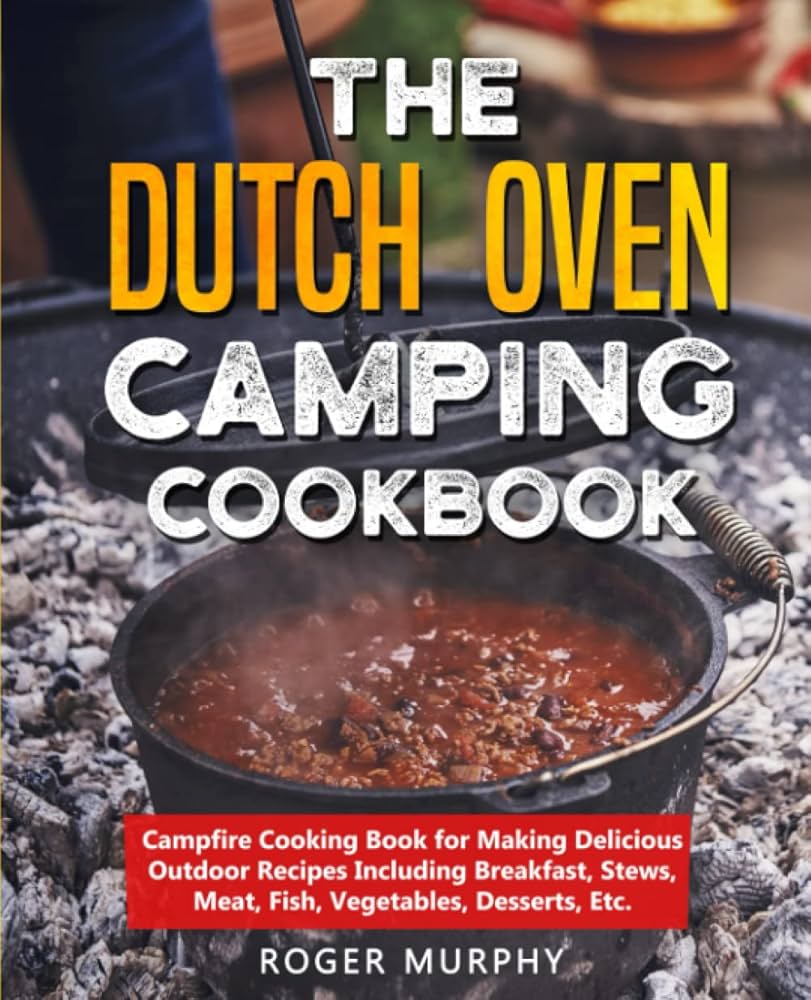
There are several types of camping ovens. Some run on propane gas and heat up quickly. Others use charcoal or wood for a smoky flavor. Electric camping ovens exist but need a power source. Portable Dutch ovens are popular for cooking over a campfire. Each type has pros and cons for cooking vegetables.
How Camping Ovens Work
Camping ovens use heat to cook food evenly. Gas ovens have burners that spread heat inside the oven. Charcoal and wood ovens trap heat in a closed space. This heat cooks the vegetables from all sides. Some ovens have vents to control temperature. Good heat control helps prevent burning or undercooking.

Vegetables Suitable For Camping Ovens
Camping ovens are great for cooking vegetables outdoors. Not all vegetables cook well in these ovens. Choosing the right ones makes your meal tasty and easy to prepare. Some vegetables hold up well to heat and time, while others do not. Knowing which vegetables suit camping ovens helps you plan your cooking better.
Best Vegetables To Cook
Root vegetables like carrots, potatoes, and sweet potatoes work very well. They cook evenly and stay firm after baking. Bell peppers and zucchini also do great. They soften nicely and add color to your meal. Onions and garlic bring extra flavor and cook quickly. Tomatoes can be roasted to enhance their sweetness. These vegetables handle the dry heat of a camping oven.
Vegetables To Avoid
Leafy greens like lettuce and spinach do not cook well. They wilt quickly and lose texture. Cucumbers and celery contain a lot of water and become mushy. Mushrooms can release too much moisture, making your dish soggy. Avoid vegetables that cook too fast or turn watery. These do not hold up well in camping ovens.
Preparation Tips For Cooking Vegetables
Preparing vegetables properly is key to tasty meals in a camping oven. Good preparation helps vegetables cook evenly and taste better. Small steps before cooking can make a big difference in your camping food.
Cleaning And Cutting
Rinse vegetables well under clean water. Dirt and bugs hide in leaves and crevices. Use a brush for firmer vegetables like carrots or potatoes. Cut vegetables into similar sizes. This helps them cook at the same time. Smaller pieces cook faster and are easier to eat.
Marinating And Seasoning
Marinate vegetables before cooking to add flavor. Use simple ingredients like olive oil, salt, and herbs. Let vegetables soak for at least 15 minutes. Seasoning helps bring out natural tastes. Avoid heavy sauces that can burn in the oven. Keep flavors light and fresh for the best results.

Cooking Techniques In A Camping Oven
Cooking vegetables in a camping oven offers many tasty possibilities. This small oven uses heat well to prepare fresh, healthy meals outdoors. It works with simple cooking methods that bring out the best flavors in vegetables.
Understanding these cooking techniques helps you make the most of your camping oven. Each method changes the texture and taste of vegetables in unique ways. Here are three common techniques to try on your next trip.
Roasting
Roasting uses dry heat to cook vegetables evenly. Place chopped vegetables on a tray in the oven. The heat caramelizes their natural sugars, making them sweet and tender. Roasted vegetables have a nice, slightly crispy outside.
Steaming
Steaming cooks vegetables with hot steam, keeping them moist and soft. Use a small, heatproof dish with water under a rack inside the oven. The steam gently cooks the vegetables without drying them out. This method keeps most nutrients inside the food.
Baking
Baking uses steady, moderate heat to cook vegetables slowly. Wrap vegetables in foil or place in an oven-safe dish. Baking softens vegetables thoroughly and blends their flavors. It works well for stuffed peppers, potatoes, and root vegetables.
Temperature And Timing Guidelines
Cooking vegetables in a camping oven needs the right temperature and timing. These two factors help you get tasty and well-cooked veggies every time. Too hot or too long can burn them. Too low or short can leave them raw. Understanding the ideal temperatures and cooking times makes camping meals better and easier.
Ideal Cooking Temperatures
Most vegetables cook well between 350°F and 400°F (175°C to 200°C). Root vegetables like carrots and potatoes need higher heat, around 375°F to 400°F. Leafy greens and soft vegetables like zucchini do better at lower temperatures, about 350°F. Keeping the temperature steady helps vegetables cook evenly and keeps their flavor.
Estimated Cooking Times
Cooking times vary by vegetable type and size. Small or thin vegetables like bell peppers take 15 to 20 minutes. Larger or denser vegetables such as potatoes or carrots need 30 to 40 minutes. Stir or turn vegetables halfway to cook all sides. Check vegetables often to avoid overcooking. Timing and temperature work together for the best results.
Tips To Enhance Flavor
Cooking vegetables in a camping oven is a great way to enjoy fresh meals outdoors. Enhancing flavor makes the experience even better. Simple tips can boost taste without extra effort. Using natural ingredients adds depth to your dishes. Small changes can make vegetables more delicious and satisfying.
Using Herbs And Spices
Herbs and spices bring strong flavors to cooked vegetables. Fresh herbs like rosemary, thyme, or parsley add bright, earthy notes. Dried spices such as paprika, cumin, or black pepper give warmth and complexity. Sprinkle them on before cooking or mix into oil for even flavor. Experiment with blends to suit your taste. Herbs and spices make simple vegetables exciting and tasty.
Adding Oils And Fats
Oils and fats help carry flavors and improve texture. Olive oil adds a smooth, rich taste and helps vegetables brown nicely. Butter offers a creamy flavor and enhances sweetness. Coconut oil gives a subtle tropical aroma. Toss vegetables in oil or fat before placing them in the oven. This step keeps them moist and adds a satisfying mouthfeel. A little oil goes a long way for great flavor.
Safety And Maintenance
Cooking vegetables in a camping oven is fun and tasty. Keeping safety and maintenance in mind helps you enjoy cooking without problems. Safe handling protects you from burns and accidents. Proper cleaning keeps your oven ready for the next meal.
Handling The Camping Oven Safely
Always place the camping oven on a stable surface. Use heat-resistant gloves when touching hot parts. Keep children and pets away from the oven while cooking. Avoid wearing loose clothes that might catch fire. Never leave the oven unattended during use. Check for gas leaks if you use a gas camping oven. Turn off the oven immediately after cooking.
Cleaning After Cooking
Wait for the oven to cool down before cleaning. Remove all food scraps to avoid bad smells. Use a soft cloth and mild soap to clean the inside. Avoid harsh chemicals that can damage the oven. Clean the oven’s exterior with a damp cloth. Dry all parts well before storing the oven. Regular cleaning helps your oven last longer.
Frequently Asked Questions
Can I Cook Fresh Vegetables In A Camping Oven?
Yes, you can cook fresh vegetables in a camping oven. Simply chop them evenly and use foil packets or a baking tray. Ensure proper heat distribution and check cooking times to avoid undercooking or burning.
What Types Of Vegetables Work Best In Camping Ovens?
Root vegetables like carrots, potatoes, and sweet potatoes work best. Bell peppers, zucchini, and onions also cook well. These vegetables hold up to heat and develop great flavor when roasted or baked.
How Long Does It Take To Cook Vegetables In A Camping Oven?
Cooking time varies by vegetable and oven temperature. Generally, it takes 20 to 40 minutes. Smaller pieces cook faster, so chop vegetables uniformly for even cooking.
Can I Use Foil Packets To Cook Veggies In Camping Ovens?
Yes, foil packets are ideal for cooking vegetables. They lock in moisture and flavor while preventing direct contact with flames. This method also simplifies cleanup and helps cook vegetables evenly.
Conclusion
Yes, you can cook vegetables in a camping oven. It cooks food evenly and keeps flavors fresh. Just cut vegetables into small pieces for faster cooking. Use foil or a small pan to avoid mess. Keep an eye on the temperature to prevent burning.
Cooking vegetables this way adds variety to your meals outdoors. It’s simple, healthy, and tasty. Give it a try on your next camping trip!

