

Are you staring at your oven, wondering if it has a magical feature that can save you hours of scrubbing and scouring? Knowing whether your oven is self-cleaning could be a game-changer for your kitchen routine.
Imagine the relief of simply pushing a button and watching stubborn grease and grime vanish without lifting a finger. But how can you be sure your oven has this incredible capability? We’ll uncover the telltale signs that your oven might be self-cleaning.
We’ll guide you through quick checks and little-known details that could reveal if your appliance is equipped with this time-saving feature. By the end of this read, you’ll be armed with the knowledge to make your kitchen chores easier and more efficient. So, let’s dive in and discover if your oven holds the secret to effortless cleaning!

Identifying Self-cleaning Ovens
Self-cleaning ovens have special features. Look for a self-clean button or setting. Some ovens use high heat to clean. This is called pyrolytic cleaning. Other ovens use steam. Steam helps loosen dirt. Check the oven manual for cleaning instructions. Manuals often mention if the oven is self-cleaning. Ovens may have a locking mechanism during cleaning. This is for safety. The oven door should stay locked. Cleaning cycles take a few hours. The oven will heat up. It might smell during cleaning. Ventilation helps reduce smell. Some ovens have catalytic liners. These liners absorb grease. They clean as you cook. Regular ovens need manual cleaning. Scrub with soap and water. Self-cleaning ovens save time. They make cleaning easier.

Types Of Self-cleaning Ovens
Pyrolytic ovens use high heat to clean themselves. The oven heats up to about 900°F. This heat turns food bits to ash. You can easily wipe away the ash. These ovens have a special lock. It keeps the door shut during cleaning. This ensures safety and prevents burns.
Steam cleaning ovens use water to clean. Pour water into the bottom of the oven. Turn on the steam cleaning cycle. The water turns into steam. The steam loosens food bits and grime. Wipe the oven clean with a cloth. This method is gentle and uses lower heat.
Catalytic ovens have special liners inside. These liners absorb grease and food spills. The liners clean themselves at normal cooking temperatures. Regular cleaning becomes easy. Just remove the liners and rinse them. Catalytic cleaning is great for light messes. It’s less effective on heavy spills.
Checking The Oven Manual
The oven manual is a valuable resource. It holds the answer to many questions. Start by checking the manual. Look for a section on cleaning. If your oven is self-cleaning, it will be there. Many manuals have a table of contents. This helps you find information quickly. Manuals might use specific words. Look for terms like “self-cleaning” or “automatic cleaning”. These words are key. They tell you if your oven cleans itself. If you can’t find it, look online. Search for your oven’s model number. Most brands have manuals online. This is very helpful.
Inspecting The Control Panel
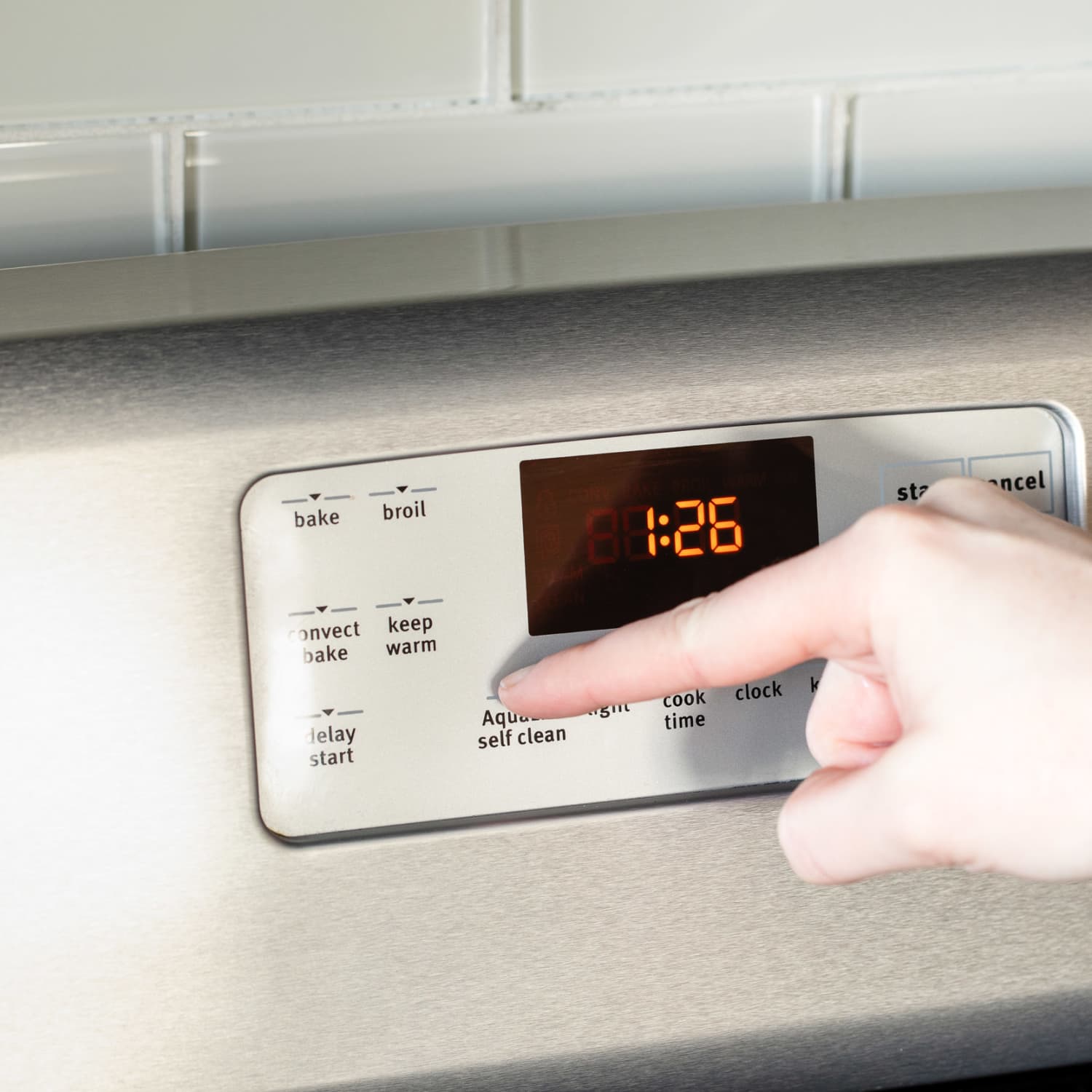
Look closely at the oven’s control panel. Many ovens have a button or a knob labeled “Self Clean”. This label indicates the oven has a self-cleaning feature. Some ovens show a special icon. It looks like a small flame or spray. This icon also means self-cleaning. The control panel might have extra instructions. These instructions help you use the feature safely. Not all ovens are the same. So, the design might differ. If unsure, check the user manual. It provides clear details about your oven’s features.
Looking For Self-cleaning Symbols
Ovens with self-cleaning features often have special symbols. These symbols help users identify the function easily. A common symbol is a squiggly line or a fire icon. These symbols might be on the control panel. Sometimes, they are on the oven door. Check the user manual for symbol meanings. It provides detailed instructions. Manuals often have pictures of symbols. Look at the oven’s buttons for these symbols. They are usually near the temperature controls. If unsure, ask someone for help. Some ovens have labels with words too. These labels might say “self-clean” or “auto-clean.”
Exploring Oven Settings
Some ovens have a special setting. This setting is called self-cleaning. It helps clean the oven by itself. Check your ovenfor a button or a knob with this label. It might say “self-clean”or have a picture of an oven with steam.
Look inside your oven for a special self-cleaning liner. These liners are usually grey and rough. They help catch and burn off spills. If your oven has these, it might be self-cleaning.
Read the manualthat came with your oven. It often explains all the settings. If you don’t have a manual, you can find it online. Knowing how your oven works is important. It keeps your oven clean and safe.
Consulting Customer Support
If unsure about your oven’s features, contact customer support. They can help. They know all about the products. Asking them is easy. Just call their number. It’s in your manual. Or find it online. Tell them your oven model. They might ask for it. Make sure you have it ready.
Customer support can explain. They have the answersyou need. They can also guide you. They show how to use the self-cleaning feature. If your oven has one, they will know. They might even send you instructionsby email. Or guide you step-by-step on the call.
Benefits Of Self-cleaning Ovens
Self-cleaning ovens make life easier. They save time and effort. No need for scrubbing or harsh chemicals. Just a button press, and the oven does the job. Dirt and grease vanish like magic. Cleaning becomes less of a chore.
These ovens also use heat to clean. High temperatures turn food spills into ash. You can wipe the ash away with ease. The oven stays safe and efficient. Less dirt means better cooking. Your meals taste great. You enjoy cooking more.
Energy saving is another bonus. Self-cleaning ovens work smartly. They use less power over time. This helps the environment and your wallet. Having one means fewer cleaning products. Less waste, more savings. A perfect choice for busy families.
Safety Tips For Using Self-cleaning Features
Self-cleaning ovens can make cleaning easy. Follow safety tips to stay safe. First, remove any cookware from the oven. This keeps things from getting damaged.
Keep the kitchen well-ventilated. Open windows or use a fan. This helps reduce smoke and smell. Always stay in the house while the oven cleans itself.
Avoid using the self-cleaning feature before big events. Ovens might break down. Let the oven cool down before wiping any residue. This prevents burns.
Keep kids and pets away during the cleaning cycle. Safety is important. If unsure, check your oven’s manual. The manual gives specific advice.
Common Myths About Self-cleaning Ovens
Many people think all ovens clean themselves. This is not true. Self-cleaning ovens have special features. They use high heat to burn off food. Regular ovens need manual cleaning. Some believe self-cleaning ovens don’t need maintenance. This is a myth. They still need care to work well. Another myth is all self-cleaning ovens use chemicals. In fact, many use just heat. No chemicals are needed. Some think self-cleaning ovens are unsafe. They are safe if used right. Follow the instructions for safety.
Many people think self-cleaning ovens can damage themselves. Proper use prevents damage. Some worry about bad smells during cleaning. Smells are normal but go away fast. Others believe self-cleaning ovens cost more. Prices vary. Some are affordable.
Frequently Asked Questions
What Is A Self-cleaning Oven?
A self-cleaning oven uses high heat to burn off food residues. It reaches temperatures up to 900°F during the cycle. This process turns debris into ash, which can be easily wiped away. It saves time and effort compared to manual cleaning methods.
How To Identify A Self-cleaning Oven?
Check for a “self-clean” button on the control panel. Review the user manual or product specifications. Self-cleaning ovens often have a specific cycle for cleaning. Look for labels or indicators inside the oven for confirmation.
Can All Ovens Self-clean?
Not all ovens have self-cleaning capabilities. Some models offer manual cleaning only. Self-cleaning ovens are typically marked or labeled accordingly. It’s essential to verify features before purchasing a new oven.
How Often Should You Use Self-cleaning?
Use the self-cleaning feature every few months. Frequency depends on usage and cooking habits. Regular use prevents heavy buildup of residues. Avoid overusing to maintain the oven’s efficiency and lifespan.
Conclusion
Identifying a self-cleaning oven is simple. Check the manual for details. Look for a specific “self-clean” button on the panel. This feature saves time and effort. It uses high heat to burn off grime. No chemicals needed, making cleaning safer.
Observe the door lock during cleaning. It ensures safety by preventing opening. Self-cleaning ovens are convenient for busy households. Regular use keeps your oven in top shape. Enjoy hassle-free maintenance and a clean kitchen. Now, you can confidently determine your oven type.
Happy cooking and cleaning!

