
You’re about to bake your favorite dish, but something feels off. The oven isn’t warming up like it used to, and you’re left wondering if there’s a problem.
Could it be the oven element? Knowing when your oven element has gone bad can save you time and prevent ruined meals. But how do you spot the signs? We’ll dive into the simple indicators that your oven element might be faulty.
You’ll discover easy ways to test it, ensuring your next baking adventure isn’t met with disappointment. Stay with us, and soon you’ll have the confidence to diagnose and address this common kitchen issue.
Signs Of A Faulty Oven Element
Does your oven take longer to heat? This might be a sign. Uneven cooking is another clue. Food may burn or stay uncooked. Look for sparks or smoke. These are warning signals. Check the temperature. If it drops, the element may be broken. No heat means it’s not working at all. Listen for strange sounds. Buzzing or humming can mean trouble. Inspect the element. Look for burns or breaks. These signs mean you might need a new one. Be safe. Turn off the oven before checking.
No Heat Generation
Ovens should heat up quickly. If there’s no heat, the element might be broken. Check the oven’s temperature. If it stays cold, the element could be at fault. Inspect the heating element. It should look smooth and even. Any burns or breaks mean it’s damaged. A multimeter can help. Use it to test for continuity. No continuity means the element needs replacing. Sometimes, the oven’s light will work but not the heat. This is another sign of a bad element. Listen for unusual sounds. Strange noises might mean a faulty element. Always ensure the oven is off before checking. Safety first!
Visible Damage
Burn marks are a clear sign of a problem. Dark spots on the oven element mean trouble. These marks usually appear as black or brown spots. They are easy to see. Check the element surface for any discoloration. If you find these marks, the element might be broken.
Blisters on the oven element mean damage. Bubbling indicates overheating. These bubbles are often small. They can appear anywhere on the element. Touching them is not safe. If you see blisters, the element may need replacing. Always inspect the element carefully. Keep an eye out for any strange shapes. These are signs of trouble.
Unusual Noises
Oven making a buzzing sound? That might be a problem. Buzzing can mean a faulty element. The sound often comes from the back. This is where the element sits. It’s important to check quickly. The noise can get louder. A burnt smell might come next. This could mean the element is burning out. Safety first. Turn off the oven if buzzing starts. It’s best to call a repair person. They’ll know what to do.
Popping noises are another sign. They are loud and sudden. This noise may come from a broken element. The sound is like popcorn popping. It can be scary and surprising. Don’t ignore these sounds. A popping element can cause sparks. Sparks can start a fire. Always be careful. Turn off the oven if you hear popping. Get help from an expert. They can fix it safely. Protect your kitchen and home.
Inconsistent Cooking Results
Bread and cakes come out uneven. The top is brown, but the bottom is pale. Cookies look cooked on one side and raw on the other. Hot spots in the oven make baking tricky. Food cooks faster at the edges. Center stays uncooked.
Meals take longer than usual. Recipes say 30 minutes, but it takes 45. Pies need extra time to bake. Meat needs more time to roast. This makes planning meals hard. Family waits longer for dinner. Energy bills might go up.

Element Does Not Glow
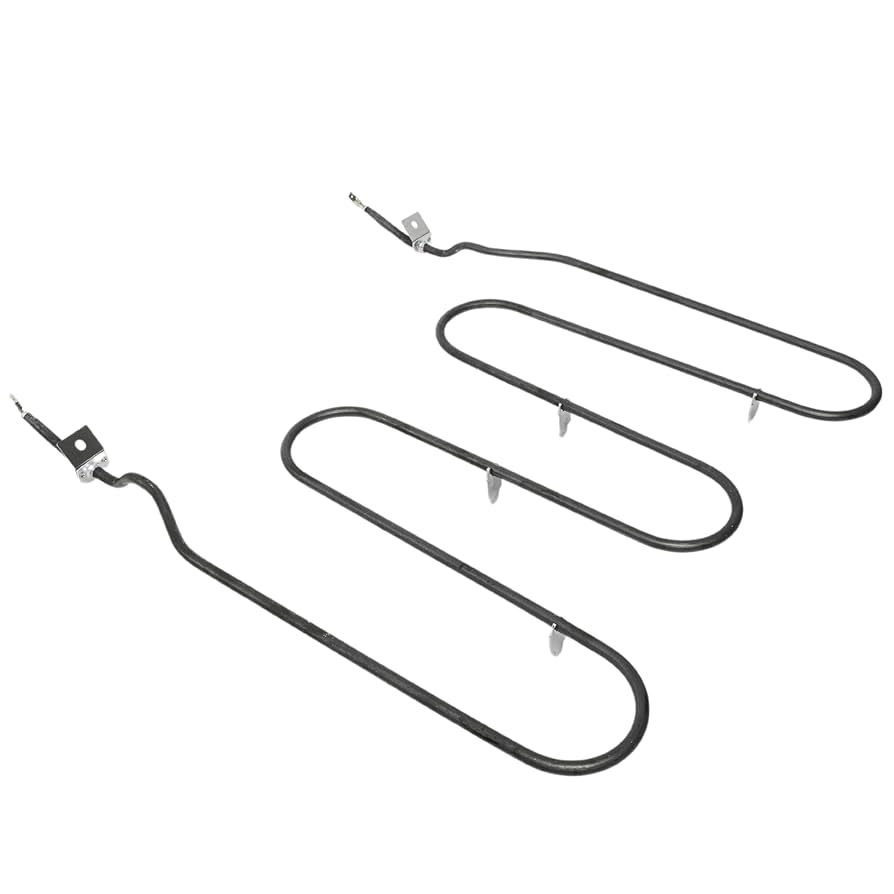
The oven element should glow red or orangewhen it works. If it stays dark, there might be a problem. It means the element is not heating.
A broken element can cause cooking issues. Food may not cook evenly. This can lead to undercooked meals.
Check for any signs of damage. Look for cracks or breaks. These can stop the element from glowing.
If the element is not glowing, it might need replacing. Check with an adult or a professional. Safety comes first.
Frequent Tripping Of Circuit Breaker
Circuit breakers trip to protect your home. Frequent tripping can mean trouble. A faulty oven element might be the cause. This happens when the element has damage or breaks. It sends too much current. The circuit breaker then trips. It stops the flow to avoid danger.
Check the oven element for burn marks. Look for cracks or bulges. These signs can show it’s bad. Replace the element if needed. This can stop the tripping. Keep your oven safe and working well. Always be careful with electricity. Safety comes first.
Testing The Element
A multimeterhelps check if the oven element works. First, turn off the oven. This keeps you safe. Next, remove the element. Find the screws and take them out. Now, set the multimeter to ohms. This measures resistance.
Touch the multimeter probes to the element’s ends. Look at the reading. A number shows the element works. No number means it’s broken. Replace it if needed. Always be careful when handling wires.
Safety is very important. Always unplugthe oven first. This stops electric shocks. Wear gloves for protection. Check for broken wires. Never touch with wet hands. Ensure no metal touches the wires.
When To Replace The Element
An oven not heating well? The element might be bad. A burnt smell can mean trouble. Check for sparks or smoke. These are bad signs. Feel the oven. If it stays cold, the element is not working. Uneven cooking is another clue. Food might burn on one side. Look for visible damage. A broken or cracked element needs replacing.
A multimeter can help. Set it to ohms. Touch the probes to the element’s ends. A reading of zero means it’s broken. No reading? It’s faulty. A good element shows a number. Usually between 10 and 100 ohms. Check the oven’s manual for the right number.
Frequently Asked Questions
How To Identify A Faulty Oven Element?
A faulty oven element may not heat up properly. Look for visible signs like burning, sparking, or a broken surface. If your oven isn’t reaching the desired temperature, the element may be failing. It’s essential to address these issues promptly to avoid further damage or safety hazards.
What Are Signs Of A Burnt-out Oven Element?
Signs of a burnt-out element include uneven cooking or no heat. You may also notice visible damage such as blisters, breaks, or discoloration on the element. If your oven’s indicator light remains on without heating, the element might be compromised and needs inspection or replacement.
Why Is My Oven Not Heating Evenly?
Uneven heating can indicate a malfunctioning oven element. If food cooks unevenly or takes longer, the element may be the culprit. Check for visible damage, as a partially working element affects the oven’s ability to maintain consistent temperature.
Can A Faulty Oven Element Cause A Fire?
Yes, a faulty oven element can pose a fire risk. If it sparks or burns out, it can cause electrical hazards. It’s crucial to replace damaged elements promptly to ensure safety and proper oven functioning. Regular maintenance checks can help prevent potential fire hazards.
Conclusion
Identifying a faulty oven element is crucial for safe cooking. Look for signs like uneven heating or no heat. A visual check can reveal damage or burns. Replace the element if you spot issues. This ensures your oven works efficiently.
Don’t ignore strange smells or noises. These could signal deeper problems. For safety, disconnect the power before checking. Consider calling a professional if unsure. Regular maintenance keeps your oven in top shape. Stay proactive to avoid bigger repairs. A well-functioning oven makes cooking a joy.
Keep it in good condition for the best results.

