
Your oven is the heart of your kitchen, turning raw ingredients into delicious meals that bring joy to your table. But what happens when your trusty appliance decides to go on strike and refuses to heat up?
It’s frustrating, inconvenient, and can throw off your entire meal plan. Before you start picturing expensive repairs or a new appliance, take a deep breath. You might be just a few simple steps away from getting your oven back in action.
We’ll guide you through the most common reasons why your oven isn’t heating and share practical solutions you can try yourself. Stick with us, and you’ll be back to baking, roasting, and more in no time. Don’t let a cold oven cool your culinary passion. Dive in to discover how you can fix the issue and reclaim your kitchen confidence.
Common Causes
Check the power cord for damage. Ensure the plug is secure in the socket. Inspect the circuit breaker for any tripped switches. Confirm the oven settings are correct. Sometimes, the oven may be set to a timer mode.
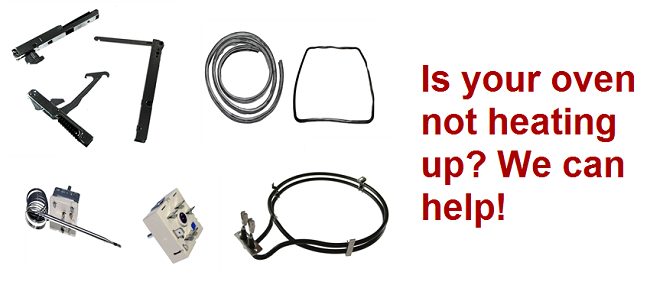
Examine the heating element for cracks or burns. A broken element will not heat. Use a multimeter to test for continuity. No continuity means replacement is needed. Visible damage often indicates a faulty element.
Verify the thermostat is working. Use a multimeter to test it. Incorrect readings suggest it’s broken. A faulty thermostat causes incorrect temperatures. Replacement might be necessary for accurate heating.
Safety Precautions
Turn off the oven switch at the wall. Unplug the oven from the power outlet. Ensure no electricity flows to the oven. Check the plug for any damages. Look for signs of burns or wear. Safe steps prevent electric shocks. Protect yourself from accidents. Stay alert while handling appliances. Follow safety rules strictly.
Wear gloves to protect your hands. Use safety goggles for your eyes. Protect your skin from heat. Wear long sleeves and pants. Avoid loose clothing near the oven. Ensure no jewelry is worn. Keep hair tied back. Safety gear keeps you safe from harm. Be cautious at all times.
Checking Power Supply
The oven needs power to heat up. First, find the circuit breaker. It is usually in a box on the wall. Open the box and look for switches. The switch for the oven may be off. Turn it on. This may fix the problem. If the switch was already on, move to the next step.
Check the power cord behind the oven. The cord must be plugged in. Sometimes, the cord is loose or unplugged. Push it in securely. Look for any damage on the cord. If it is broken, it might need replacing. A damaged cord can stop the oven from heating.
Inspecting The Heating Element
First, unplug the oven to keep safe. Look inside the oven. Check the heating element for any visible damage. Cracks or burn marks mean problems. A broken element won’t heat properly. Make sure the element is connected. Loose wires can cause issues. Don’t forget to wear gloves for safety.
Use a multimeter to test the heating element. Set the multimeter to the lowest ohms setting. Touch the probes to the element’s terminals. The multimeter should show numbers. If you see zero, the element is broken. Replace it for the oven to work. Make sure the oven is off during testing.
Thermostat Troubleshooting
Sometimes, the thermostat shows the wrong temperature. Calibrate it to fix this issue. Start by checking the oven manual. It will guide you. Follow each step carefully. Make sure the oven is off before starting. Adjust the settings as needed. Check if the oven heats up properly after calibration.
Thermostats can become defective over time. A broken thermostat won’t heat the oven. First, turn off the oven. Remove the old thermostat carefully. Place the new one in its spot. Ensure all wires are connected properly. Test the oven after replacing the thermostat. Make sure it heats up as expected.
Control Board And Wiring
The control boardis like the oven’s brain. It sends signals to the heating elements. If your oven isn’t heating, the control board might be faulty. Check for any visible damage. Burnt marks or melted parts are bad signs. Ensure all connections are tight and secure. A loose wire can cause issues.
Wires carry power to the oven’s parts. Carefully inspect each wire connection. Look for any frayed or broken wires. These can stop the oven from heating. Tighten any loose wires you find. A screwdriver might help with this. Always ensure the oven is unplugged when checking wires.
When To Call A Professional
Troubleshoot simple fixes first if your oven isn’t heating properly. Check power supply and settings. If problems persist, it’s time to call a professional technician to ensure safety and proper repair.
Complex Electrical Issues
Electric problems can be tricky. Wires might be in the wrong place. This can stop the oven from heating. Broken circuits also cause trouble. Kids should not fix these problems. Only a trained person can help. They know the safe way to handle electricity. Always call an expert when wires look messy. They can check the oven’s electrical system.
Persistent Heating Problems
The oven might not heat well often. This can be a big problem. It might be a broken thermostat. Or a bad heating element. If the oven takes too long to heat, it is not normal. Experts know how to fix this. They can replace broken parts. They make sure the oven gets hot again. Always get help when the problem does not go away.

Preventative Maintenance Tips
Ovens need regular cleaning for good performance. Remove food bits and grease. Use a soft cloth with mild soap. Avoid harsh chemicals. Clean every month. Check the oven door. Dirt can block heat. Clean it well. Don’t forget the oven racks. They also need cleaning. Make sure they are dry before putting them back.
Inspect the oven often. Look for signs of damage. Cracks can cause problems. Check the heating elements. They should glow red. If not, they may need fixing. Look at the power cord. It should be tight and safe. Check the control knobs. They should turn smoothly. Report issues early to prevent big problems. Regular checks help keep the oven working well.

Frequently Asked Questions
Why Is My Oven Not Heating Up?
Your oven may not heat due to a faulty heating element, a broken thermostat, or an electrical issue. Start by checking the power source and inspecting the heating elements for visible damage. If the problem persists, consult a technician to diagnose and fix the issue.
How Do I Reset My Oven?
To reset your oven, unplug it from the power source for a few minutes. Plug it back in and turn it on to see if it resolves the issue. This can sometimes help reset the oven’s internal systems and restore functionality.
Can A Blown Fuse Cause Oven Issues?
Yes, a blown fuse can cause your oven to stop heating. Check your home’s electrical panel for a tripped breaker or a blown fuse. If you find one, replace it and test your oven again to see if it resolves the heating issue.
Is A Broken Thermostat Affecting My Oven?
A broken thermostat can prevent your oven from heating properly. If your oven is not reaching the set temperature, the thermostat may be faulty. Consider replacing it to restore optimal oven performance and consistent heating.
Conclusion
Fixing an oven that won’t heat can be straightforward. Start by checking the power. Ensure the oven is plugged in. Inspect the circuit breaker. Reset if needed. Next, examine the heating element. Look for visible damage. Replace if necessary. Don’t forget to check the temperature sensor.
It should be correctly positioned. Test the thermostat too. Misalignment can cause issues. If problems persist, consult a professional. Regular maintenance helps prevent issues. Keep your oven clean. Follow these steps to restore your oven’s function. Enjoy hassle-free cooking once again.
A working oven makes meal prep easier.

