

Have you ever noticed how strong cooking smells can linger in your kitchen long after you finish preparing a meal? Those stubborn odors can make your home feel less fresh and inviting.
You might wonder, can a range hood really help remove those unwanted smells? If you want to keep your kitchen smelling clean and pleasant, understanding how a range hood works could be the simple solution you need. Keep reading to discover how this kitchen appliance can make a big difference in eliminating odors and improving your cooking space.

How Range Hoods Work
Range hoods play an important role in keeping kitchens fresh. They remove smoke, steam, and odors during cooking. Understanding how range hoods work helps in choosing the right one.
Types Of Range Hoods
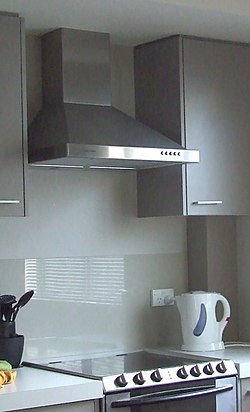
There are three main types of range hoods. Wall-mounted hoods attach to the wall above the stove. Island hoods hang from the ceiling over a kitchen island. Under-cabinet hoods fit beneath kitchen cabinets. Each type fits different kitchen styles and spaces.
Ventilation Mechanisms
Range hoods use either ducted or ductless ventilation. Ducted hoods push air outside through a vent. This removes odors and moisture completely. Ductless hoods filter air and release it back inside. They use carbon filters to reduce smells but do not remove heat or steam.
Air Filtration Features
Many range hoods include air filters to trap grease and particles. Metal filters catch grease and can be cleaned. Charcoal filters absorb cooking odors and smoke. Some hoods combine both filter types for better cleaning. Regular filter replacement keeps the hood working well.

Effectiveness In Odor Removal
Range hoods play a key role in keeping kitchens fresh. They work by pulling air up and out, clearing away smoke, steam, and smells. Their effectiveness depends on design, power, and use. Understanding how they remove odors helps in choosing the right one.
Capturing Smoke And Grease
Range hoods trap smoke and grease particles during cooking. Filters catch grease before it spreads in the air. This stops sticky buildup on walls and counters. Removing smoke also helps reduce strong smells quickly. The fan pulls these particles through the filters and vents them outside or recirculates clean air.
Reducing Cooking Smells
Strong cooking smells come from spices, oils, and food. Range hoods reduce these smells by moving air fast. Venting air outside removes odors from the kitchen. Some hoods use charcoal filters to clean air before returning it. This helps lower lingering smells and keeps air fresh while cooking.
Limitations To Consider
Range hoods do not remove all odors completely. Some smells are strong and need more ventilation time. Recirculating hoods without outside vents are less effective. Filters need regular cleaning or replacing to work well. Proper hood size and fan speed are important for best results.
Choosing The Right Range Hood
Choosing the right range hood is important for keeping your kitchen air fresh. It helps remove smoke, steam, and odors while cooking. The perfect hood fits your kitchen size and cooking style. You want one that works well and lasts long. Here are some key points to consider.
Size And Power Ratings
Pick a range hood size that matches your stove width. A hood too small will not capture all the smoke. Power ratings, measured in cubic feet per minute (CFM), show air movement strength. Higher CFM means better air cleaning. For most kitchens, 300 to 600 CFM works well. Stronger power suits heavy cooking or large stoves.
Ducted Vs. Ductless Models
Ducted hoods vent air outside your home. They remove odors and heat more effectively. Ductless hoods filter air and recirculate it back inside. They are easier to install but less powerful. Choose ducted if you want strong odor removal. Ductless works where venting outside is not possible.
Filter Options
Filters catch grease and particles to keep air clean. Metal filters are durable and easy to clean. Charcoal filters absorb smells but need regular replacement. Some hoods have both types for better performance. Check filter type and maintenance needs before buying.
Maintenance For Optimal Performance
Maintaining your range hood is key for keeping your kitchen fresh. Regular care helps the hood work well and removes odors faster. Small tasks done often prevent big problems later. This keeps the air clean and your kitchen pleasant.
Cleaning Filters Regularly
Filters catch grease, smoke, and smells. Clean them every month or as the manual says. Wash metal filters with warm, soapy water. Replace charcoal filters if your hood uses them. Clean filters let air flow freely and remove odors better.
Checking Ventilation Paths
Check ducts and vents for blockages or damage. Clear any dirt or debris found inside. Make sure the vent opens outside your home. Good ventilation paths help the hood pull out odors fast and keep the kitchen air fresh.
Replacing Parts When Needed
Parts like fans and lights wear out over time. Listen for strange noises or weak airflow. Change broken or old parts quickly. New parts keep the range hood working at its best to remove cooking smells effectively.
Additional Tips To Minimize Kitchen Odors
Keeping kitchen odors under control takes more than just a good range hood. Small habits and simple tricks also help. These tips work with your range hood to keep your kitchen smelling fresh and clean.
Using Natural Deodorizers
Natural deodorizers can absorb and neutralize smells. Try placing bowls of baking soda or white vinegar around the kitchen. Lemon peels or coffee grounds work well too. They remove odors without harsh chemicals. These simple items keep the air fresh.
Proper Cooking Techniques
Cooking methods affect kitchen smells. Cover pots and pans with lids to trap odors. Use lower heat to reduce smoke and strong smells. Clean spills and crumbs quickly. Good habits stop smells from spreading and lingering.
Improving Kitchen Airflow
Airflow reduces trapped smells and moisture. Open windows or doors during cooking to let fresh air in. Use fans to move air around. A well-ventilated kitchen clears odors faster. Fresh air keeps your space more pleasant.
Frequently Asked Questions
How Effective Are Range Hoods In Removing Kitchen Odors?
Range hoods effectively capture smoke, steam, and odors. They use filters and ventilation to clear the air quickly. Proper installation and regular maintenance boost their odor removal efficiency.
Can All Range Hoods Remove Strong Cooking Smells?
Not all range hoods handle strong odors equally. Higher-quality hoods with powerful fans and carbon filters work best. Choose models designed for heavy cooking to ensure optimal odor control.
Do Ductless Range Hoods Eliminate Kitchen Odors Well?
Ductless range hoods use charcoal filters to trap odors. While they reduce smells, they are less effective than ducted systems. Regular filter replacement is essential for maintaining odor removal.
How Often Should Range Hood Filters Be Cleaned Or Replaced?
Filters should be cleaned or replaced every 3 to 6 months. Frequent cooking with strong odors may require more frequent care. Clean filters ensure consistent odor and smoke removal.
Conclusion
A range hood helps remove odors by pulling air out of the kitchen. It traps smoke, steam, and smells quickly. This keeps your kitchen fresh and clean. Choosing the right hood matters for best results. Regular use stops smells from spreading around the house.
It also helps keep your kitchen air healthy. A range hood is a simple tool for a better cooking space. Clean air makes cooking more pleasant and comfortable. A small change with big benefits for your home.

