
Are you wondering if you can use a range hood with a recirculating kit in your kitchen? You’re not alone.
Many homeowners face this question when trying to improve ventilation without major remodeling. The good news is, there’s a simple solution that might just fit your space and budget perfectly. You’ll discover how a recirculating kit works, whether it’s right for your range hood, and what benefits you can expect.
Keep reading to find out how you can keep your kitchen fresh and smoke-free, even without an outside vent.
Range Hood Basics
Range hoods help keep your kitchen air clean and fresh. They remove smoke, odors, and grease from cooking. Understanding how they work and their types helps you choose the right one.
Range hoods can either vent air outside or clean it and recirculate it inside. This choice affects installation and performance. Let’s explore the basics of range hoods.
Types Of Range Hoods
There are three main types of range hoods. Wall-mounted hoods attach to the wall above the stove. Island hoods hang from the ceiling over a kitchen island. Under-cabinet hoods fit under kitchen cabinets.
Each type has ducted and ductless options. Ducted hoods send air outside using vents. Ductless hoods filter air and release it back inside. This is where recirculating kits come in.
How Range Hoods Work
Range hoods use fans to pull air from cooking. The air passes through filters that catch grease and particles. Ducted hoods push the air outside through ducts.
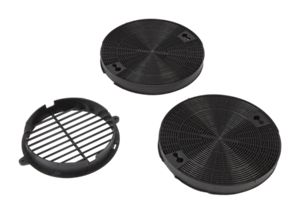
Recirculating hoods clean the air with charcoal filters. These filters reduce smoke and odors. Then, the air returns to the kitchen. This system works well where duct installation is hard.
Recirculating Kits Explained
Recirculating kits offer a smart solution for range hoods in kitchens without outside vents. They help clean the air by recycling it inside your home. Understanding how these kits work can help you decide if they fit your cooking space.
This section breaks down what recirculating kits include and how they function.
Components Of A Recirculating Kit
A recirculating kit usually has a charcoal filter. This filter traps smoke, grease, and odors. It also includes a ductless vent system. This system directs the cleaned air back into the kitchen. Some kits come with a fan to push air through the filters. The kit parts fit inside or behind the range hood.
How Recirculating Kits Function
The range hood pulls in air from your cooking area. This air passes through the charcoal filter. The filter removes odors and particles from the air. Then, the cleaner air flows back into your kitchen. This process helps reduce smoke and smells. It does not need outside venting.
Compatibility Factors
Compatibility factors are key when using a range hood with a recirculating kit. Not all range hoods work with these kits. The kit changes how the hood vents air. It filters and recycles air back into the kitchen.
Choosing the right hood and kit ensures good air quality. It also avoids installation problems and poor performance. Understanding these factors helps you pick the right system.
Range Hood Models That Support Recirculating Kits
Many range hoods come ready for recirculating kits. These models have special filters and vent designs. They can work without a duct to the outside. Check the product details before buying.
Some hoods only work with vented setups. Others allow a simple switch to recirculation mode. Popular brands often list compatible kits for each model. This helps you find the best fit for your kitchen.
Installation Requirements
Installing a recirculating kit needs care. The hood must have space for the filters. The kit often includes charcoal filters that clean the air.
You must place these filters correctly for good airflow. The hood’s fan speed may need adjusting. Some installations require a specific power setting.
Clear instructions come with most kits. Following them avoids leaks and poor air flow. Proper installation keeps your kitchen smoke-free and fresh.

Benefits Of Using Recirculating Kits
Using a recirculating kit with a range hood offers clear benefits. It allows more flexible placement of your hood. It also helps save money on installation and maintenance. These kits clean air without needing outside ventilation. This makes them a smart choice for many kitchens.
Space And Ventilation Flexibility
Recirculating kits allow you to install range hoods without outside vents. This works well in apartments or homes without wall access. You can place the hood almost anywhere. No need to cut holes in walls or ceilings. The kit filters air and sends it back inside. This keeps your kitchen fresh without extra construction.
Cost Considerations
Installing a recirculating kit costs less than vented hoods. No need for expensive ductwork or outside vents. It reduces labor and material expenses. Also, maintenance is easier and cheaper. Filters need regular changes but are affordable. Overall, this option saves money while keeping air clean.
Drawbacks To Consider
Using a range hood with a recirculating kit can be a practical choice for kitchens without external venting. Yet, some drawbacks need attention. Understanding these issues helps make the best decision for your home and health.
Air Quality Impact
Recirculating kits filter air but do not remove all pollutants. Smoke, grease, and odors may linger longer inside. The air may feel less fresh compared to vented hoods. This can affect comfort and breathing, especially in small kitchens.
Filters capture some particles, yet gases and moisture remain in the air. Over time, this may lead to poor indoor air quality. Cooking smells may return quickly after cooking ends.
Maintenance Needs
Filters in recirculating kits require frequent cleaning or replacement. Grease buildup can block airflow and reduce efficiency. Neglecting maintenance can cause bad smells and damage the hood.
Keeping the filters clean takes effort and time. It also adds to the overall cost of using the hood. Regular checks help keep the system working well and the air cleaner.
Installation Tips
Installing a range hood with a recirculating kit needs careful steps. Proper installation ensures good air cleaning and quiet operation. This section guides you through easy steps and common errors to avoid. Follow these tips to get the best from your range hood setup.
Step-by-step Installation Guide
Start by reading the range hood and kit manuals. Check that all parts are included. Choose a spot on the wall or under the cabinet for the hood.
Mount the recirculating kit inside the hood. This kit filters and returns air without outside venting. Attach the charcoal filters if your kit has them. These help remove smells and smoke.
Secure the hood using screws and brackets. Make sure it is level and stable. Connect the power supply safely, following electrical rules. Test the fan and lights before finishing. Adjust settings to your preference.
Common Installation Mistakes
Skipping the manual leads to wrong steps. Many forget to install charcoal filters or place them incorrectly. This lowers air cleaning power. Using the wrong screws can cause a loose hood.
Connecting to the wrong power source is risky. It may cause shorts or damage. Not checking the hood’s level causes noise and poor air flow. Avoid tight spaces around the hood to keep air moving freely.
Ignoring these mistakes saves time and money. Careful work ensures your kitchen stays fresh and clean.
Maintenance And Care
Proper maintenance and care keep your range hood with a recirculating kit working well. It helps remove smoke, grease, and odors effectively. Regular upkeep extends the life of your appliance and keeps your kitchen fresh.
Cleaning Filters
Filters catch grease and particles from cooking fumes. Clean them often to prevent clogging and maintain airflow. Remove filters carefully and soak them in warm, soapy water. Use a soft brush to scrub away grease. Rinse thoroughly and let them dry before reinstalling. Some filters are dishwasher safe; check your manual.
Replacing Components
Parts like charcoal filters lose effectiveness over time. Replace these filters every few months for best results. Also, check the fan and light bulbs regularly. Replace bulbs with the correct type and wattage. Inspect the vent and recirculating kit for damage. Replace any broken or worn parts promptly to keep the hood working well.

Alternative Ventilation Solutions
When a range hood with a recirculating kit is not an option, consider other ventilation methods. These alternatives help remove cooking smells, steam, and smoke effectively. Choosing the right system depends on your kitchen layout and needs. Explore these popular options for better air quality.
Ducted Range Hoods
Ducted range hoods vent air outside your home. They pull out smoke, grease, and odors through ducts. This system offers strong ventilation and keeps kitchen air fresh. Installation needs a path for the duct to the outside wall or roof. Ducted hoods are ideal for heavy cooking and larger kitchens.
Downdraft Ventilation
Downdraft ventilation is built into the cooktop or countertop. It pulls air downward and vents it outside or filters it before recirculating. This solution works well in kitchens without overhead space for a hood. It is less visible but still reduces smoke and odors. Downdraft systems suit modern, minimal kitchen designs.
Frequently Asked Questions
Can A Range Hood Work With A Recirculating Kit?
Yes, a range hood can work with a recirculating kit. The kit filters and recirculates air back into the kitchen. This option suits homes without external venting. It helps reduce odors, smoke, and grease effectively indoors.
What Are The Benefits Of Using A Recirculating Kit?
Recirculating kits are easy to install and require no ductwork. They improve indoor air quality by filtering pollutants. They are ideal for apartments or homes without exterior walls. Additionally, they save energy by recycling air instead of exhausting it outside.
Does A Recirculating Kit Reduce Cooking Odors Effectively?
Yes, a recirculating kit reduces cooking odors effectively. It uses charcoal or carbon filters to absorb smells. However, filters need regular replacement for optimal performance. While not as powerful as ducted hoods, they still improve kitchen air quality significantly.
How Often Should Recirculating Filters Be Replaced?
Recirculating filters should be replaced every 3 to 6 months. Frequency depends on cooking habits and air quality. Regular replacement ensures maximum odor and grease removal. Neglecting filter changes can reduce the hood’s efficiency and airflow.
Conclusion
Using a range hood with a recirculating kit works well in many kitchens. It cleans the air by filtering and returning it inside. This option suits homes without outside venting. Remember, filters need regular cleaning or replacement. Proper maintenance keeps your kitchen fresh and odor-free.
Choose the right kit for your hood model. This setup offers a simple way to improve air quality. Consider space, noise, and budget before deciding. A recirculating range hood can be a practical choice.

