
Are you tired of your ductless range hood not keeping up with your cooking? Upgrading to a ducted range hood can make a huge difference in removing smoke, odors, and grease from your kitchen.
But how do you make the switch without turning your kitchen into a construction zone? In this guide, you’ll discover simple, clear steps to upgrade from a ductless to a ducted range hood. By the end, you’ll feel confident tackling the project and enjoy a fresher, cleaner kitchen every time you cook.
Keep reading to find out how easy it can be!
Benefits Of Ducted Range Hoods
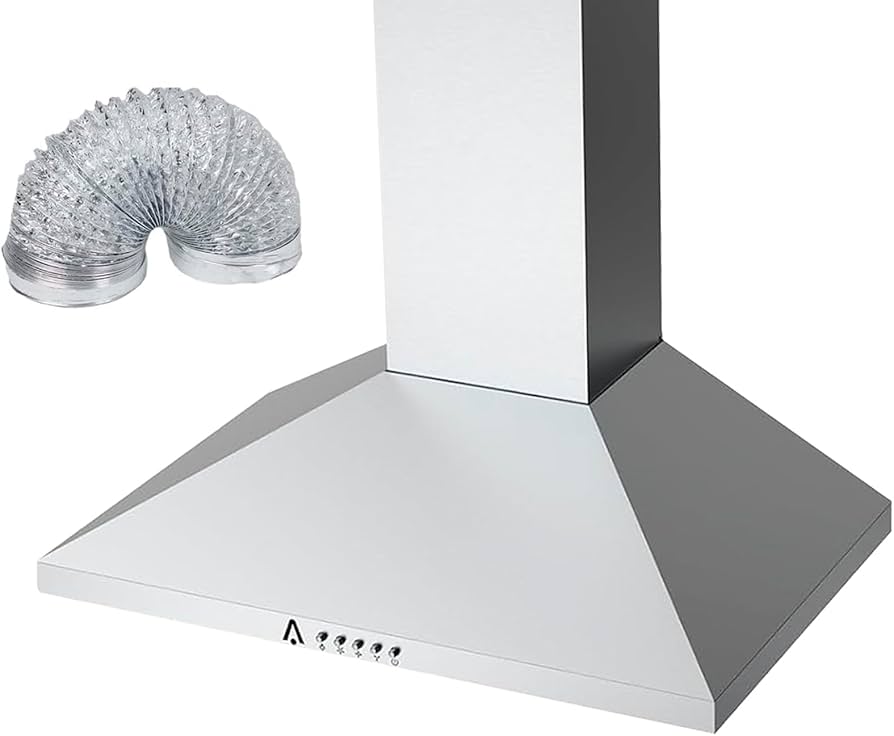
Ducted range hoods offer many benefits over ductless models. They help keep your kitchen cleaner and healthier. Installing a ducted hood improves air flow and reduces cooking smells. It also lowers noise levels during use. These advantages make ducted range hoods a smart upgrade for any kitchen.
Improved Air Quality
Ducted range hoods remove smoke, grease, and odors from the kitchen. They vent these outside your home, not back inside. This reduces indoor air pollution and keeps your kitchen air fresh. It helps protect your lungs from harmful cooking fumes. Better air quality means a safer and more comfortable cooking space.
Enhanced Ventilation Efficiency
Ducted hoods move air more effectively than ductless ones. They use strong fans and direct vents to the outside. This quickly clears steam and heat from cooking. It prevents moisture buildup that can cause mold or damage. Enhanced ventilation keeps your kitchen cooler and cleaner during busy cooking times.
Noise Reduction
Ducted range hoods often run quieter than ductless models. The noisy fans are placed farther from the cooking area. Sound travels outside through ducts, reducing noise in the kitchen. This creates a more pleasant cooking environment. You can talk, listen to music, or watch TV without loud fan noise.

Assessing Your Kitchen Setup
Upgrading from a ductless to a ducted range hood requires careful planning. The first step is assessing your kitchen setup. This helps ensure the new hood fits well and works properly. A good assessment avoids problems during installation. It also improves your kitchen’s ventilation.
Measuring Space And Clearance
Measure the width, height, and depth of the area above your stove. Check for enough space to fit the ducted hood. Leave extra room for clearance around the hood. This space allows proper airflow and easy cleaning. Note the height from the cooktop to the hood. Follow manufacturer guidelines for the correct height.
Locating Existing Ductwork
Find where your current ductless hood vents air. Ductless hoods usually recirculate air inside. A ducted hood needs a vent to the outside. Look for existing ductwork or wall vents near your stove. If none exist, plan where to install new ducts. Consider the shortest, straightest path to the outside.
Checking Electrical Requirements
Check the power source near your stove area. Ducted range hoods may need higher voltage or dedicated circuits. Ensure your kitchen wiring can support the new hood. Inspect outlets and circuit breakers for capacity. Hire an electrician if you are unsure or need upgrades.
Choosing The Right Ducted Range Hood
Choosing the right ducted range hood is key to a successful kitchen upgrade. It affects air quality, cooking comfort, and kitchen style. Think about your kitchen size, cooking habits, and design preferences. A good hood clears smoke and odors well. It fits your kitchen space and looks nice. This guide helps pick the best ducted range hood for your needs.
Types Of Ducted Hoods
Ducted range hoods come in several types. Wall-mounted hoods attach to the wall above the stove. Island hoods hang from the ceiling over an island cooktop. Under-cabinet hoods fit under kitchen cabinets. Each type suits different kitchen layouts. Choose one that fits your kitchen design and airflow needs.
Size And Power Considerations
Size matters for a ducted hood. It should match your cooktop size. Larger cooktops need bigger hoods to cover the area. Power is measured in cubic feet per minute (CFM). Higher CFM means better air removal. Choose a hood with enough power to clear smoke fast. Avoid oversizing to save energy and reduce noise.
Material And Design Options
Materials affect durability and style. Stainless steel is common and easy to clean. Other options include glass and aluminum. Design should match your kitchen’s look. Sleek, modern hoods suit contemporary kitchens. Traditional kitchens may need classic designs. Pick a hood that blends well and lasts long.

Planning The Installation
Planning the installation is the first step to upgrade from a ductless to a ducted range hood. Careful preparation makes the process smoother and avoids future problems. It involves deciding the duct path, choosing materials, and following rules. Proper planning ensures good airflow and safety.
Mapping The Duct Route
Start by finding the best path for the duct. The duct should be as short and straight as possible. Avoid sharp bends or long runs that reduce airflow. Check where the hood will vent outside the house. Think about walls, ceilings, and the roof. Sketch the route to see if it fits well.
Selecting Proper Duct Materials
Choose materials designed for kitchen ventilation. Metal ducts are best because they resist heat and grease. Avoid plastic or flexible ducts as they can catch fire or block airflow. Use smooth, rigid ducts to keep air moving freely. Make sure all joints are sealed tightly to stop leaks.
Ensuring Building Code Compliance
Follow local building codes and safety rules. These rules protect your home and family. Check rules about duct size, vent location, and materials. Some areas require specific clearances from windows or vents. Get permits if needed before starting work. Inspections may be required to approve the installation.
Step-by-step Upgrade Process
Upgrading from a ductless to a ducted range hood can improve kitchen ventilation significantly. The process involves several clear steps. Follow this step-by-step guide to make the change easier. Each step focuses on one key part of the installation.
Removing The Ductless Hood
Start by turning off the power to the hood. Use a screwdriver to remove the screws holding the ductless hood. Carefully pull the hood away from the wall. Disconnect any wires connected to the hood. Set the old hood aside safely.
Preparing The Ventilation Opening
Check the wall or ceiling where the duct will go. Measure the size needed for the new vent. Cut an opening that fits the duct size. Clear away any debris or insulation. Make sure the opening leads outside for proper airflow.
Installing The Ductwork
Choose the right duct material, usually metal. Attach the duct to the ventilation opening securely. Seal all joints with duct tape or mastic. Run the duct to the outside vent cap. Keep the duct as straight as possible to improve air flow.
Mounting The New Range Hood
Hold the new range hood in place. Mark the spots for screws on the wall or cabinet. Drill pilot holes for easier installation. Screw the hood firmly to the wall or cabinet. Check that the hood sits level and stable.
Connecting Electrical Wiring
Turn off the power at the circuit breaker. Connect the wires from the hood to house wiring. Match colors: black to black, white to white, green to ground. Use wire nuts to secure connections tightly. Turn the power back on and test the hood.
Testing And Maintenance Tips
Upgrading from a ductless to a ducted range hood improves kitchen ventilation. Proper testing and maintenance keep the system working well. This section covers key tips to check airflow, clean filters, and fix common problems.
Checking Airflow And Noise Levels
Test airflow by turning on the range hood at different speeds. Hold a piece of tissue paper near the vent. It should move slightly, showing good airflow. Listen to the noise. A ducted hood runs quieter than a ductless one. Loud sounds may mean a problem with the motor or ducts. Check ducts for bends or blockages that reduce airflow.
Cleaning And Filter Replacement
Clean grease filters every month to keep air moving freely. Use warm water and mild soap to wash metal filters. Replace charcoal filters every 3 to 6 months if your hood uses them. Dirty filters cause poor ventilation and bad smells. Always dry filters completely before reinstalling. Regular cleaning prevents damage and keeps your kitchen fresh.
Troubleshooting Common Issues
Check the power supply if the hood does not turn on. Inspect the fan motor for dust or grease build-up. Clean the motor carefully to avoid damage. Look for loose wires or connections. Fix small problems early to avoid costly repairs. If airflow drops suddenly, check for duct blockages or damaged parts. Regular checks extend the life of your range hood.
Cost Considerations And Budgeting
Upgrading from a ductless to a ducted range hood involves several cost factors. Planning your budget carefully helps avoid surprises. Understanding where your money goes makes the process smoother.
Estimating Material And Labor Costs
The main expenses include the hood, ductwork, and installation. Ducted hoods cost more than ductless ones. You need pipes, vents, and sometimes wall or ceiling modifications. Labor charges vary by location and project complexity. Always get multiple quotes from contractors. This helps find a fair price.
Potential Energy Savings
Ducted hoods often use less energy. They remove cooking fumes more efficiently. This means less strain on your fan and motor. Over time, energy savings can offset installation costs. Reduced energy bills make the upgrade worthwhile.
When To Hire A Professional
Installing ducted systems can be tricky. Improper work causes leaks and poor ventilation. Professionals have experience and tools to ensure quality. They follow building codes for safety. Hiring an expert saves time and avoids costly mistakes.
Frequently Asked Questions
What Are The Benefits Of Upgrading To A Ducted Range Hood?
Upgrading to a ducted range hood improves air quality by venting smoke outdoors. It reduces odors, moisture, and heat. Ducted hoods are more efficient for heavy cooking and maintain a cleaner kitchen environment. They also enhance home value due to better ventilation.
How Difficult Is It To Switch From Ductless To Ducted?
Switching involves installing ductwork and venting through walls or ceilings. It requires professional assessment and possibly structural modifications. The process can be complex but offers long-term benefits. Proper planning ensures efficient airflow and compliance with building codes.
What Materials Are Needed For A Ducted Range Hood Upgrade?
You will need duct pipes, vent caps, mounting brackets, and sealants. Metal ducts are preferred for durability and fire safety. Additional electrical wiring may be necessary for hood operation. Professional installation ensures correct material use and safety.
Can I Use My Existing Range Hood For Ducted Ventilation?
Most ductless hoods cannot be converted due to design differences. Ducted hoods need vent outlets and compatible motors. It’s often better to replace the hood entirely for optimal performance. Consult a professional to evaluate your current unit.
Conclusion
Upgrading from a ductless to a ducted range hood improves kitchen air quality. It removes smoke and odors more effectively. Planning the installation carefully saves time and money. Choose the right hood size for your cooking needs. Proper duct placement ensures better ventilation.
A ducted system also reduces noise levels. Regular maintenance keeps your hood working well. Enjoy a fresher, cleaner kitchen with this upgrade. Take your time to follow each step closely. Your cooking space will feel more comfortable and healthy.

