

Are you thinking about getting a wireless outdoor thermometer but wonder if it will give you accurate readings? You want to keep an eye on the weather without stepping outside every time.
But can these devices really be trusted to provide reliable information? You’ll discover how wireless outdoor thermometers work, what affects their accuracy, and whether they are the right choice for your home. By the end, you’ll know exactly what to look for to make the best decision for your needs.
Keep reading to find out if a wireless outdoor thermometer is worth it for you.

How Wireless Outdoor Thermometers Work
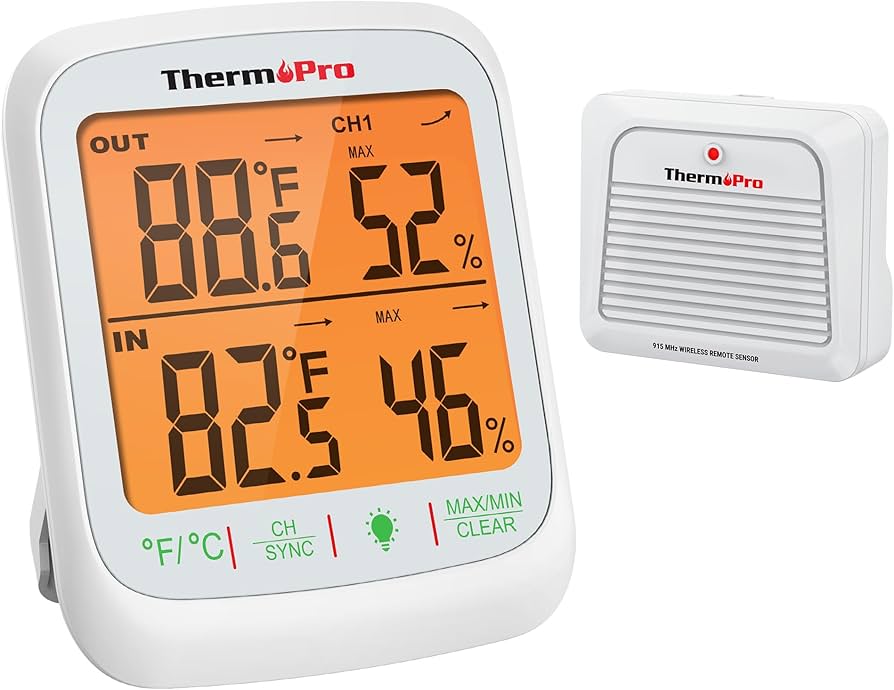
Wireless outdoor thermometers provide temperature readings without the need for wires. They use sensors placed outside to measure the temperature. This data is sent to an indoor display unit. Understanding how they work helps you decide if they fit your needs.
Basic Components
These thermometers have two main parts: the sensor and the display unit. The sensor is placed outside to measure temperature. The display unit shows the temperature inside your home. Both parts communicate wirelessly.
Signal Transmission
The sensor sends temperature data using radio signals. These signals travel through the air to the display unit. The distance between sensor and display varies by model. Some use specific frequencies to avoid interference.
Power Sources
Most sensors use batteries for power. The display unit may use batteries or plug into electricity. Battery life depends on usage and model. Regular battery replacement keeps the thermometer working well.
Factors Affecting Accuracy
Wireless outdoor thermometers offer convenience but their accuracy can vary. Several key factors influence how reliable their readings are. Understanding these factors helps you get better temperature data from your device.
Sensor Placement
Where you place the sensor matters a lot. Avoid direct sunlight because it heats the sensor and gives false readings. Place the sensor in a shaded, ventilated spot for the best results. Keep it away from walls or surfaces that absorb heat. Proper placement ensures the sensor measures the true air temperature.
Environmental Interference
Nearby objects and weather conditions can affect accuracy. Metal objects can reflect heat and change readings. Trees and buildings may block airflow, causing uneven temperatures. Rain, snow, and wind can also alter sensor performance. A clear, open area with good airflow reduces interference.
Battery Life Impact
Battery power affects how well the sensor works. Low batteries can cause slow or incorrect readings. Replace batteries regularly to keep the device accurate. Some models alert you when battery levels drop. Fresh batteries maintain steady communication between sensor and display.
Common Issues With Wireless Outdoor Thermometers
Wireless outdoor thermometers offer great convenience for monitoring weather. Still, they come with some common problems that users should know. Understanding these issues helps in making smart choices and managing expectations.
Signal Loss
Signal loss is a frequent problem with wireless outdoor thermometers. The sensor sends data to the indoor display, but obstacles can block this signal. Walls, trees, or distance may cause interruptions. This results in missing or delayed temperature readings. Keeping the sensor and display within recommended range helps reduce signal loss.
Temperature Fluctuations
Temperature readings may vary unexpectedly. Sudden changes can happen due to sensor placement. Direct sunlight or strong wind can affect accuracy. Sometimes, low battery power causes unstable readings. Regularly checking the sensor location and replacing batteries can improve consistency.
Durability Concerns
Outdoor thermometers face harsh weather conditions daily. Rain, snow, and extreme heat can damage the device. Plastic parts may crack, and screens may fog up. Choosing a model with weatherproof features is important. Proper care and maintenance also extend the thermometer’s life.

Comparing Wireless And Wired Thermometers
Wireless and wired outdoor thermometers both measure temperature but work differently. Choosing between them depends on how you plan to use and install the device. Understanding their differences helps pick the right thermometer for your needs.
Installation Differences
Wired thermometers need cables connecting the sensor to the display. This can mean drilling holes or running wires along walls. Installation takes more time and effort. Wireless thermometers use radio signals to send data. They only need a power source for the sensor. Setup is easier and cleaner with fewer cables.
Accuracy Levels
Both types offer good accuracy for general outdoor use. Wired sensors may have a slight edge because they avoid signal loss. Wireless sensors can sometimes face interference from walls or devices. Still, modern wireless models maintain accurate readings most of the time. Check product reviews for accuracy details.
Maintenance Needs
Wired thermometers require little maintenance beyond occasional cleaning. Wires can wear out or get damaged outdoors. Wireless sensors run on batteries that need regular replacement. Battery life varies by model but expect to change them yearly. Keeping sensors clean improves accuracy for both types.
Tips To Improve Reliability
Wireless outdoor thermometers offer convenience but their accuracy can vary. Simple steps help boost their reliability. These tips ensure more precise readings and longer device life.
Optimal Sensor Positioning
Place the sensor in a shaded area. Avoid direct sunlight or near heat sources. Mount it at a height similar to where you want the temperature. Keep it away from walls and reflective surfaces. Proper positioning ensures true outdoor temperature readings.
Regular Maintenance
Clean the sensor regularly to remove dirt and dust. Check batteries often and replace them as needed. Inspect the device for damage or corrosion. Keeping the thermometer in good condition avoids faulty data. Regular care prolongs its accuracy and performance.
Choosing Quality Models
Select thermometers with strong signal range and good reviews. Look for weather-resistant and durable materials. Choose models with easy-to-read displays and clear instructions. Investing in quality improves reliability and user experience. Don’t settle for the cheapest option to save money.
Popular Brands And Models
Choosing the right wireless outdoor thermometer can make a big difference in tracking weather accurately. Some brands stand out for their quality and reliability. These brands offer various models designed to fit different needs and budgets. Understanding which ones are popular helps you pick a device that lasts and performs well.
Top-rated Wireless Thermometers
Several wireless outdoor thermometers receive high ratings from users and experts. AcuRite is a leading brand known for its precise sensors and clear displays. La Crosse Technology offers models with easy setup and good range. Ambient Weather provides advanced options with multiple sensors for detailed data. Each brand focuses on accuracy and ease of use, making them favorites in the market.
Customer Feedback Insights
Customers often praise wireless outdoor thermometers for convenience and accuracy. Many highlight the ease of installation and reliable data transmission. Some users mention occasional signal loss but find it manageable. Battery life and weather resistance are common points in reviews. Overall, feedback shows most people trust these devices for daily weather updates.
When To Consider Alternatives
Wireless outdoor thermometers work well for most users. Still, some situations need different tools. Knowing when to consider alternatives helps you get the best results.
Extreme Weather Conditions
Wireless thermometers may fail in very cold or hot places. Batteries can drain quickly in freezing weather. Signals might weaken during storms or heavy rain. Metal objects and thick walls can block the signal. In such cases, wired or specialized thermometers work better. These devices offer more stable readings in tough weather.
Professional Monitoring Needs
Some jobs require precise and constant temperature data. Farming, scientific research, or food storage often demand this. Wireless thermometers might miss quick changes or lose data. Professionals need tools with higher accuracy and real-time alerts. Wired systems or industrial-grade sensors suit these needs best. They provide reliable and detailed monitoring without interruptions.
Frequently Asked Questions
Are Wireless Outdoor Thermometers Accurate?
Wireless outdoor thermometers offer good accuracy for everyday use. Their sensors measure temperature reliably within a small margin of error. However, extreme weather or signal interference can affect readings slightly. Overall, they provide dependable temperature data for most home and garden needs.
How Do Wireless Outdoor Thermometers Work?
They use remote sensors placed outside to measure temperature. The sensor sends data wirelessly to a receiver inside your home. This eliminates the need for wired connections and allows easy placement in various outdoor locations.
What Affects Wireless Thermometer Signal Strength?
Signal strength can be reduced by thick walls, metal objects, and distance. Weather conditions like heavy rain or snow may also interfere. Placing the receiver and sensor within recommended ranges ensures reliable communication and accurate readings.
Are Wireless Outdoor Thermometers Easy To Install?
Yes, they are generally simple to install. Most models come with mounting kits and clear instructions. You just place the sensor outside and set up the receiver indoors. No complex wiring or tools are usually needed.
Conclusion
Wireless outdoor thermometers offer good convenience and ease of use. They provide quick temperature updates without wires or cables. Signal range and battery life affect their reliability. Some models give more accurate readings than others. Regular maintenance helps keep them working well.
Overall, they serve well for everyday weather checks. Trust depends on the brand and how you use it. A simple tool that fits many outdoor needs. Worth considering if you want easy temperature tracking.

