
Have you ever noticed how smoke lingers in your kitchen after cooking, making it hard to breathe or enjoy your meal? You might wonder if a range hood can really make a difference in clearing that smoky air.
The truth is, your kitchen’s comfort and air quality depend a lot on how well smoke is managed. You’ll discover how a range hood works, whether it can reduce smoke effectively, and what to look for when choosing one. Keep reading to find out how you can make your kitchen a fresher, cleaner space every time you cook.

How Range Hoods Work
Range hoods play a key role in keeping kitchens fresh and clean. They remove smoke, steam, and odors produced during cooking. Understanding how range hoods work helps you choose the right one and use it well. Below are details about their types, ventilation methods, and how airflow and filtration happen.
Types Of Range Hoods
There are mainly three types of range hoods: wall-mounted, island, and under-cabinet. Wall-mounted hoods attach to the wall above the stove. Island hoods hang from the ceiling over a kitchen island. Under-cabinet hoods fit under kitchen cabinets. Each type fits different kitchen layouts and styles.
Ventilation Mechanisms
Range hoods use two main ventilation methods: ducted and ductless. Ducted hoods vent air outside through a duct. They remove smoke and odors completely from the kitchen. Ductless hoods filter air and recirculate it back inside. They use charcoal filters to reduce smells but do not remove heat or moisture.
Airflow And Filtration
Airflow is created by a fan inside the hood. This fan pulls smoke and steam up and away from the cooking area. Filters catch grease and particles before air exits or recirculates. Metal filters trap grease and must be cleaned regularly. Charcoal filters reduce odors but need replacement after some months.
Impact On Kitchen Smoke
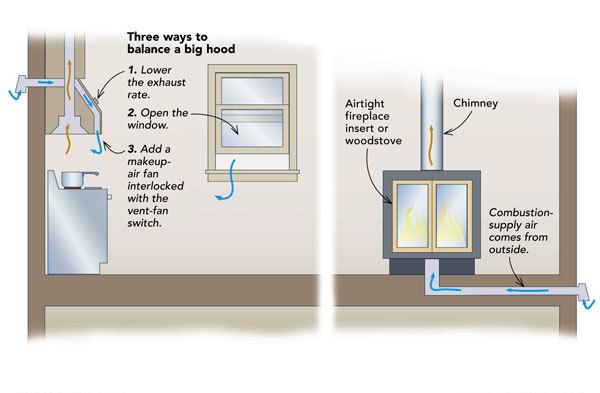
Smoke in the kitchen can be a big problem. It causes discomfort and leaves a strong smell. A range hood plays a key role in managing this smoke. It helps keep the air clear and fresh while cooking. Understanding its impact on kitchen smoke helps choose the right one for your needs.
Reducing Smoke And Odors
A range hood captures smoke right above the stove. It pulls the smoke out of the kitchen air. This stops smoke from spreading in the house. The hood also helps reduce odors from cooking. It traps smells and sends them outside or filters them.
This keeps the kitchen air cleaner and fresher. It makes cooking more pleasant for everyone at home. Good ventilation lowers the chance of smoke stains on walls and cabinets.
Effectiveness In Different Cooking Styles
Range hoods work best with certain cooking styles. Frying and grilling create more smoke and need stronger hoods. Light cooking like boiling or steaming produces less smoke. These styles may need less ventilation power.
The hood’s size and power matter. Bigger hoods with higher airflow handle heavy smoke better. Small or low-power hoods might struggle with intense cooking fumes.
Limitations Of Range Hoods
Range hoods cannot remove all smoke perfectly. Some smoke may escape if the hood is too small. Poor installation or old filters reduce its efficiency. Hoods also depend on proper use by the cook.
Strong smoke from burning food or open flame can overwhelm a hood. In such cases, smoke may linger longer in the kitchen. Regular maintenance is important to keep the hood working well.
Choosing The Right Range Hood
Choosing the right range hood is key to reducing kitchen smoke effectively. It involves more than just picking a stylish model. The hood must match your kitchen size and cooking habits. Power, installation type, noise, and upkeep all play important roles. Making the right choice keeps your kitchen air clean and comfortable.
Size And Power Considerations
Size matters for a range hood’s performance. The hood should be at least as wide as your stove. Larger stoves need wider hoods for better smoke capture. Power is measured in cubic feet per minute (CFM). Higher CFM means stronger airflow to clear smoke faster. Choose a hood with enough power for your cooking style.
Ducted Vs. Ductless Models
Ducted hoods vent air outside the house. They remove smoke and odors completely. Ductless hoods filter air and recirculate it back. They use charcoal filters to trap smells. Ducted models are more effective for heavy cooking. Ductless options fit kitchens without external vents. Choose based on your kitchen layout and needs.
Noise Levels And Maintenance
Range hoods can be noisy during use. Look for models with quiet operation for comfort. Check decibel ratings to compare noise levels. Maintenance is simple with easy-to-clean filters. Wash metal filters regularly or replace charcoal ones. Proper upkeep keeps your hood working well and lasting longer.
Additional Smoke Reduction Tips
Reducing smoke in the kitchen is important for comfort and safety. Along with a good range hood, several other steps help lower smoke levels. These tips improve air quality and make cooking more pleasant. Small changes can make a big difference in controlling smoke.
Proper Cooking Techniques
Use lower heat to avoid burning food. Cook with lids on pots to trap steam and reduce smoke. Stir food often to prevent sticking and burning. Clean pans regularly to stop old food from smoking. These habits cut down smoke and keep the kitchen air fresh.
Kitchen Layout And Ventilation
Keep windows open when cooking to let smoke escape. Place the range hood close to the stove for better smoke capture. Avoid blocking airflow with furniture or appliances. A well-ventilated kitchen helps remove smoke quickly and improves air flow.
Using Air Purifiers
Air purifiers with HEPA filters capture smoke particles effectively. Use them alongside your range hood for extra smoke control. Place purifiers near the cooking area for best results. Clean filters regularly to keep purifiers working well.
Common Mistakes To Avoid
Many people install range hoods to reduce kitchen smoke. But some common mistakes stop these hoods from working well. Avoiding these errors helps keep your kitchen air clean and fresh.
Understanding these pitfalls ensures your range hood works as it should. Let’s explore the top mistakes to avoid.
Improper Installation
Range hoods must be installed at the right height above the stove. Too high or too low reduces their ability to catch smoke. The hood should cover the entire cooking surface. Incorrect ductwork or poor sealing can cause smoke leaks. Professional installation helps avoid these problems.
Neglecting Filter Cleaning
Filters catch grease and smoke particles. Over time, they get clogged and block airflow. Dirty filters reduce the hood’s suction power. Regular cleaning or replacement keeps the hood working well. Check the manufacturer’s instructions for cleaning schedules.
Overlooking Exhaust Capacity
Each kitchen size and stove type needs a specific exhaust capacity. A low-capacity hood cannot remove all smoke and odors. Too small or weak fans fail to clear the air. Choose a range hood with enough power for your cooking needs.

Frequently Asked Questions
How Does A Range Hood Reduce Kitchen Smoke?
A range hood removes smoke by ventilating air outside or filtering it. It captures airborne grease, smoke, and odors, improving air quality. Proper installation and power ensure effective smoke reduction during cooking.
Can All Range Hoods Handle Heavy Smoke Levels?
Not all range hoods handle heavy smoke well. High-capacity models with strong airflow (CFM) are best for heavy smoke. Choose a hood based on your cooking style and kitchen size for optimal performance.
Does Vented Or Ductless Range Hood Reduce Smoke Better?
Vented range hoods reduce smoke better by exhausting air outside. Ductless hoods filter and recirculate air but may not remove smoke completely. Vented models are preferred for heavy cooking and smoke control.
How Often Should Range Hood Filters Be Cleaned?
Range hood filters should be cleaned every 1 to 3 months. Regular cleaning prevents grease buildup, maintaining efficiency and smoke removal. Follow manufacturer instructions for filter type and cleaning method.
Conclusion
A range hood helps clear smoke quickly from your kitchen. It pulls out smoke, steam, and odors while you cook. This keeps the air fresh and your kitchen cleaner. Using a good range hood can also protect walls and cabinets from damage.
Choosing the right hood depends on your cooking style and kitchen size. Regular cleaning keeps it working well. Smoke won’t stay and bother you as much with a range hood running. It makes cooking safer and more comfortable every day.

