

Are you wondering if you can cook seafood in a slow cooker and still get delicious results? You’re not alone.
Seafood can be tricky to prepare, especially when using a slow cooker, where timing and texture matter a lot. But don’t worry—this article will clear up the mystery and help you make tasty seafood dishes with ease. Keep reading to discover the tips, tricks, and best practices that will make your slow cooker seafood meals a hit every time.

Slow Cooker And Seafood Basics
Cooking seafood in a slow cooker is a simple way to make tasty meals. Slow cookers use low heat for a long time. This method keeps seafood tender and flavorful. Knowing the basics helps you cook seafood safely and well.
Some types of seafood work better than others in a slow cooker. Choosing the right ones can improve your dishes. Let’s explore how slow cookers work and which seafood types suit slow cooking best.
How Slow Cookers Work
Slow cookers heat food slowly using low temperatures. They keep a steady heat, usually between 170°F and 280°F. This gentle heat cooks food over several hours. It helps flavors blend and keeps food moist.
The lid traps steam inside, creating a small oven. This steam cooks food evenly and prevents drying out. Slow cooking is great for tough cuts of meat and delicate seafood alike.
Types Of Seafood Suitable For Slow Cooking
Firm fish like cod, halibut, and salmon work well in slow cookers. They hold shape and do not break apart easily. Shellfish like shrimp and scallops cook quickly and need less time.
Avoid delicate fish like flounder or sole. They can become mushy with long cooking. Also, be careful with squid or octopus; they need special timing to stay tender.
Seafood stews and chowders are popular slow cooker dishes. Combining various seafood types with vegetables makes a rich meal.

Benefits Of Slow Cooking Seafood
Slow cooking seafood offers many benefits that make meals tasty and easy. It allows flavors to blend deeply and helps improve the texture of fish and shellfish. The gentle heat cooks seafood evenly without drying it out. This method fits well with busy schedules, saving time while delivering delicious results.
Seafood in a slow cooker stays moist and tender. It absorbs spices and herbs well, creating rich dishes full of taste. Slow cooking also reduces the risk of overcooking, which can happen quickly with seafood.
Flavor Development
Slow cooking helps seafood soak up all the flavors from sauces and seasonings. The low heat gives spices time to mix and grow stronger. Fish and shellfish become more flavorful and enjoyable. Unlike fast cooking, slow cooking avoids harsh flavors and balances the taste.
Texture Improvement
Seafood cooked slowly becomes soft but not mushy. The gentle heat keeps the fish flaky and tender. Shellfish like shrimp and scallops stay juicy and firm. Slow cooking stops seafood from drying out or turning rubbery. It creates a pleasant, melt-in-your-mouth texture that many people enjoy.
Common Challenges With Slow Cooking Seafood
Slow cooking seafood can be tricky. The process requires careful attention. Seafood is delicate and cooks faster than other meats. This makes slow cooking a challenge. Common problems can affect the taste and texture. Understanding these challenges helps create better dishes.
Overcooking Risks
Seafood cooks quickly, even at low heat. Slow cookers run for hours, which can lead to overcooking. Overcooked seafood becomes tough and rubbery. It loses its natural flavor and texture. Timing is crucial to avoid this problem. Shorter cooking times or adding seafood near the end helps.
Maintaining Moisture
Seafood can dry out during slow cooking. The low, steady heat can cause moisture loss. Dry seafood tastes bland and feels unpleasant. Using broths, sauces, or adding vegetables helps keep it moist. Covering the slow cooker tightly also locks in moisture. This keeps the seafood juicy and flavorful.
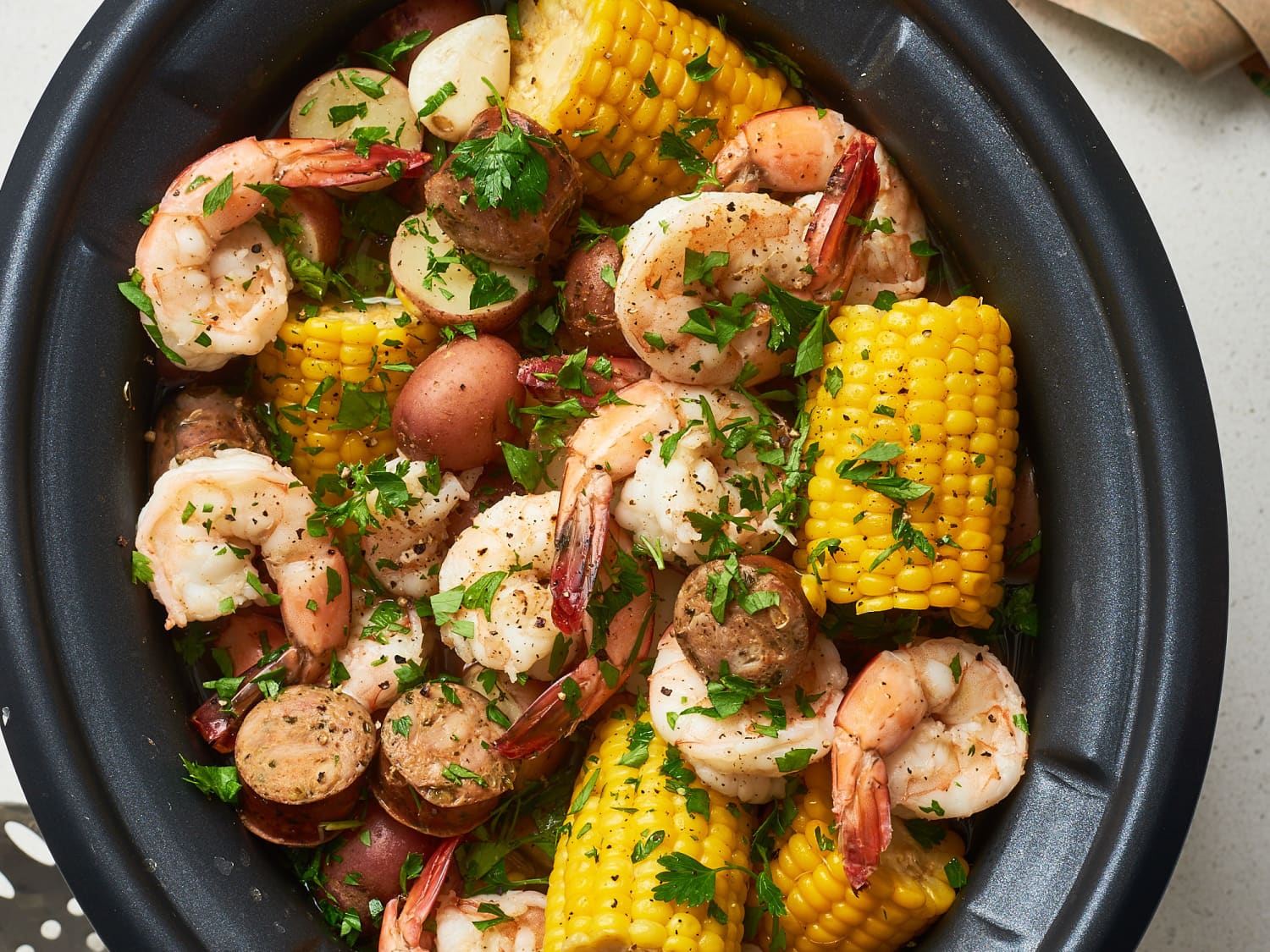
Tips For Perfect Slow Cooker Seafood
Cooking seafood in a slow cooker can be simple and delicious. Follow some key tips to get the best results. These tips help keep seafood tender and full of flavor.
Slow cooking seafood needs care. The right choices make a big difference in taste and texture. Let’s explore some easy steps to cook seafood perfectly in your slow cooker.
Choosing The Right Cut
Pick seafood that cooks well slowly. Firm fish like salmon, cod, or halibut work best. Avoid delicate fish like sole or flounder. They can turn mushy easily. Shrimp and scallops also cook well but add them late. This prevents overcooking and keeps them tender.
Timing And Temperature Guidelines
Keep cooking times short for seafood. Most fish needs only 1 to 2 hours on low. Shrimp and scallops need even less, about 30 minutes. Use the low setting to avoid tough or dry seafood. Check the seafood early to stop cooking at the right time.
Using Broth And Seasonings
Add broth or stock to keep seafood moist. It adds flavor and stops drying out. Use mild broth like fish or vegetable stock. Season with simple herbs like dill, parsley, or thyme. Avoid strong spices that can overpower seafood. A squeeze of lemon brightens the dish.
Popular Slow Cooker Seafood Recipes
Slow cookers make seafood dishes simple and tasty. They keep flavors deep and textures soft. Many recipes work well for slow cooking, offering easy meals with minimal effort. Here are some popular seafood recipes perfect for slow cookers.
Seafood Stew
Seafood stew is a warm, comforting dish. Use a mix of fish, shrimp, and clams. Add tomatoes, garlic, and herbs for rich flavor. Slow cooking blends all ingredients nicely. The result is a hearty stew with tender seafood.
Shrimp And Rice
Shrimp and rice is a quick, filling meal. Place rice, shrimp, broth, and spices in the slow cooker. The shrimp cooks gently, staying juicy and soft. The rice absorbs all the tasty juices. This dish is easy and perfect for busy days.
Fish Chowder
Fish chowder is creamy and full of flavor. Use white fish, potatoes, and corn for a classic taste. Slow cooking lets the fish cook slowly and the flavors mix well. The chowder stays smooth and rich without overcooking the fish.
Safety Tips For Slow Cooking Seafood
Cooking seafood in a slow cooker can be safe and delicious. It needs care to avoid any health risks. Following safety tips helps keep seafood fresh and tasty. Proper handling and cooking reduce the chance of foodborne illness. Always pay close attention to how you store and prepare seafood before slow cooking.
Proper Storage And Handling
Keep seafood cold before cooking. Store it in the fridge at 40°F or below. Use seafood within two days of purchase. If not using soon, freeze it to keep it fresh. Thaw frozen seafood in the fridge, not on the counter. Handle seafood with clean hands and utensils. Wash your hands for at least 20 seconds before and after touching seafood.
Avoiding Cross-contamination
Use separate cutting boards for seafood and other foods. Clean all surfaces and tools after contact with raw seafood. Do not let raw seafood touch cooked or ready-to-eat foods. Keep seafood away from fresh vegetables or fruits. Wash knives, cutting boards, and countertops with hot, soapy water. Cross-contamination spreads bacteria and can cause food poisoning.
Frequently Asked Questions
Can I Cook Fish In A Slow Cooker Safely?
Yes, you can cook fish safely in a slow cooker. Use low heat and cook for a short time to prevent overcooking. Add fish in the last 30-60 minutes of cooking to keep it tender and flavorful.
What Seafood Types Work Best In Slow Cookers?
Shellfish like shrimp, scallops, and mussels work well. Firm fish like salmon and cod also cook nicely. Avoid delicate fish that overcook easily, as slow cookers use gentle, consistent heat.
How Long Should Seafood Cook In A Slow Cooker?
Seafood typically cooks in 30 to 60 minutes on low heat. Overcooking can make it rubbery. Add seafood near the end of your recipe to maintain texture and flavor.
Can I Use A Slow Cooker For Seafood Stews?
Yes, slow cookers are perfect for seafood stews. They allow flavors to meld while keeping seafood tender. Add seafood towards the end to avoid overcooking and ensure a delicious stew.
Conclusion
Cooking seafood in a slow cooker can work well with care. Choose fresh seafood and add it late in cooking. Overcooking can make seafood tough and dry. Use simple recipes with gentle flavors to keep taste natural. Slow cookers save time but need attention to seafood timing.
Try small batches first to find what you like best. Enjoy easy, tasty seafood meals without stress. Slow cooking offers a nice way to prepare fish and shellfish. Give it a try and see how it fits your kitchen.

