

Imagine harnessing the power of the sun to cook your meals—no electricity, no gas, just pure, clean energy. Intrigued?
Welcome to the world of solar ovens, where innovation meets sustainability. You might be wondering, how can sunlight transform into heat intense enough to cook food? The answer is simpler than you might think. This article will uncover the fascinating process behind solar ovens, revealing how they work and why they might just become your new favorite kitchen tool.
By the end, you’ll not only understand the science but also feel empowered to explore eco-friendly cooking solutions yourself. Ready to discover the magic of solar cooking? Let’s dive in!
Principles Of Solar Cooking
Solar energy comes from the sun. It is clean and renewable. Solar ovens use this energy to cook food. They have special panels to catch sunlight. These panels make the sunlight stronger. This helps cook food faster. No gas or electricity needed. Solar ovens are eco-friendly.
The sun’s rays hit the solar oven. The oven changes sunlight into heat. Reflectors focus the sun’s rays inside. The heat gets trapped inside the oven. Cooking happens because the temperature rises. The food gets hot and cooks well. Solar ovens work best on sunny days. They are safe and easy to use. Perfect for outdoor cooking.

Types Of Solar Ovens
A box solar oven looks like a big box. It uses the sun’s rays to cook food. The box has a clear top. This top lets sunlight in. The inside of the box is dark. This traps the heat inside. Food cooks slowly but evenly. Many people use it for baking.
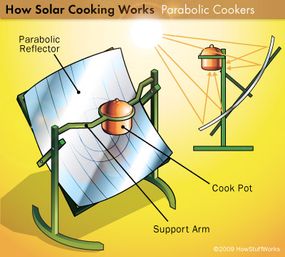
A parabolic solar oven has a curved shape. This shape focuses sunlight on one spot. It can reach very high temperatures. Cooking is fast with this oven. It is great for frying and boiling. People use it for quick meals.
A panel solar oven is simple to make. It uses flat panels to reflect sunlight. These panels direct light to the cooking pot. It is not as hot as other ovens. But it is easy to use. Good for simple cooking tasks.
Materials And Design
Reflective surfaces are key in solar ovens. They capture sunlight and focus heat. Mirrors or shiny foils work well. They bounce the sun’s rays into the oven. This makes the oven hot. Sunlight concentration is important. More focus means more heat. The oven cooks food better. Reflective surfaces must be clean. Dirt can block sunlight. Proper alignment is crucial. Adjust the angle for best results.
Insulation keeps the heat inside. It stops heat from escaping. Cardboard is a common insulator. It traps air and keeps the oven warm. Some ovens use foam. Foam is soft and traps more heat. Wool can also insulate well. It keeps the oven cozy. Layers are important. More layers mean better insulation. Careful design helps too. Ensure no gaps for heat escape.
Efficiency Factors
Sunny days make solar ovens work best. Clouds slow down cooking. Rain stops it. Wind can cool the oven. Temperature outside matters too. Cold days need more time. Hot days cook faster. Always check the weather first.
Place the solar oven where the sun shines the longest. South-facing spots are usually best. Keep away from shadows. Tilt the oven towards the sun. Move it as the sun moves. This keeps the heat strong. Reflectors help direct more light inside.
Cooking Techniques
Solar ovens harness the sun’s power to cook food. They use reflective panels to concentrate sunlight into a cooking chamber. This heat cooks food without electricity or fuel.
Best Practices For Solar Cooking
Use a solar ovenon sunny days. It works best with direct sunlight. Place the oven in an open area. Avoid shade or obstacles blocking the sun. Use dark potsfor better heat absorption. They cook food faster. Preheat the solar oven before cooking. This helps maintain consistent temperature. Stir food occasionally for even cooking. Check food often to prevent burning. Know that cooking takes longer than usual.
Common Recipes
Vegetablescook well in solar ovens. Chop them into small pieces. This helps them cook faster. Try cooking beans, potatoes, and carrots. Riceis also a great choice. It cooks evenly and stays fluffy. For a tasty dessert, bake cookies or cake. Use a light-colored panfor baking. It prevents burning and helps even cooking. Solar ovens are perfect for making simple meals.
Benefits Of Solar Ovens
Harnessing the sun’s energy, solar ovens cook food without electricity or fuel. Reflective panels concentrate sunlight, heating food evenly. They offer an eco-friendly way to prepare meals, reducing carbon footprint and energy costs. Perfect for outdoor cooking, they utilize natural resources efficiently.
Environmental Impact
Solar ovens use the sun’s energy to cook food. This means they don’t use electricity or gas. Using less fuel helps reduce pollution. Solar ovens don’t make smoke, which is good for the air. They help keep the planet clean. More people using solar ovens can save the environment. Nature stays safe and healthy. Kids can learn about saving the earth with solar ovens. It’s a fun way to cook and help the planet.
Cost Savings
Solar ovens save money on energy bills. No need to buy gas or electricity. They are free to use once you have one. Just place it in the sunlight. Over time, the savings add up. Families can spend their money on other needs. Solar ovens last a long time. They are a good investment for cooking. Everyone loves saving money and helping the earth.
Challenges And Limitations
Solar ovens need the sun to work. Cloudy days can be a big problem. Without sunlight, the oven can’t get hot. So, cooking takes longer. Rainy days make it harder, too. People must plan ahead. Always check the weather forecast. This helps to avoid surprises.
Cooking with a solar oven is slow. Meals take time to cook. Planning is very important. Start cooking early in the day. This gives enough time before sunset. Cooking late can be risky. The sun might go down. Then, food stays uncooked. Have a backup plan ready.
Future Of Solar Cooking
Solar ovens are getting better every year. New designs make them more efficient. They can now cook food faster. Many are portable and easy to use. This helps people use them anywhere. Scientists are working to make solar ovens even cheaper. This means more people can buy them. Some solar ovens now have smart features. They can adjust to the sun’s position. This way, they cook food evenly. People are excited about these new changes. Solar ovens are becoming a popular choice.
Solar ovens are helping in remote areas. They don’t need electricity or gas. This is good for places with no power. They are also safe to use. Kids can help cook without danger. Families save money by using solar ovens. They don’t need to buy fuel. Many people now have access to solar cooking. This is making a big difference. Solar ovens are easy to find in stores. They are also sold online. Everyone can try solar cooking.

Frequently Asked Questions
How Does A Solar Oven Work?
A solar oven uses sunlight to cook food. It captures and concentrates solar energy using reflective surfaces. This energy heats up the cooking chamber. The trapped heat cooks the food slowly and evenly. Solar ovens are eco-friendly and energy-efficient, making them a sustainable cooking option.
Can Solar Ovens Be Used On Cloudy Days?
Solar ovens can be used on cloudy days, but efficiency reduces. They rely on direct sunlight for optimal performance. On cloudy days, cooking times may increase significantly. It’s best to use them when there’s clear sunshine. Some advanced models may still work moderately under diffuse light conditions.
What Types Of Foods Can Be Cooked In A Solar Oven?
Solar ovens can cook a variety of foods, including vegetables, meats, and baked goods. They are excellent for slow-cooking stews and casseroles. You can even bake bread and cookies. However, they are not ideal for frying as they lack the high temperatures needed.
Are Solar Ovens Safe To Use?
Solar ovens are generally safe and easy to use. They don’t use flames or electricity, reducing fire hazards. The cooking chamber remains cool to the touch outside. Properly designed models prevent accidental burns. Always follow instructions and safety guidelines for safe operation.
Conclusion
Solar ovens offer a simple way to cook using the sun’s energy. They are easy to use and require no fuel. Just position the oven in direct sunlight. Wait as it traps heat and cooks food. It’s an eco-friendly option that saves money and resources.
Perfect for outdoor cooking or camping. Solar ovens are a smart choice for sustainable living. They offer a glimpse into a future powered by renewable energy. Consider trying one for your next meal. Enjoy delicious food with less environmental impact.

