

Have you ever wondered how your slow cooker turns simple ingredients into a delicious meal while you go about your day? Understanding how a slow cooker works can change the way you cook—and make your life easier.
Imagine coming home to a warm, perfectly cooked dinner without any last-minute rush. You’ll discover the magic behind slow cooking, why it saves you time and effort, and how it keeps your food tasty and nutritious. Ready to unlock the secrets of your slow cooker and make mealtime stress-free?
Let’s dive in!

Slow Cooker Basics
Slow cookers are popular kitchen tools that make cooking easier. They cook food slowly at low temperatures. This method helps flavors blend well. It also makes tough meats tender. Understanding the basics helps you use slow cookers better.
Knowing how a slow cooker works can improve your cooking results. It boils down to simple parts and heat control. Let’s explore the main components and how they function.
Key Components
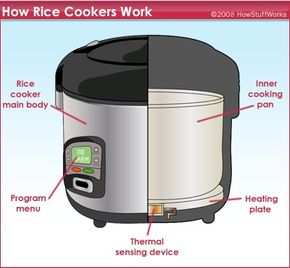
A slow cooker has three main parts. The outer shell holds the heating element. Inside sits a removable ceramic pot. This pot holds the food. The cooker also has a lid to keep heat inside.
The heating element wraps around the outer shell. It warms the ceramic pot evenly. The lid traps steam and moisture. This helps cook food gently over hours.
How Heat Is Generated
The heating element uses electricity to create heat. It warms the ceramic pot slowly. The heat spreads evenly to cook food inside. The slow, steady heat prevents burning.
Heat moves from the element to the pot. The pot then transfers heat to the food. The lid keeps heat and moisture trapped. This slow process breaks down food fibers well.
Temperature Settings Explained
Most slow cookers have three temperature settings: low, high, and warm. Low cooks food gently over 6 to 10 hours. High cooks faster, usually 3 to 5 hours. Warm keeps food hot after cooking.
Choosing the right setting depends on your recipe. Low is best for tough cuts of meat. High works for quicker meals. Warm keeps food ready to serve without overcooking.

Cooking Process Inside
The cooking process inside a slow cooker is simple but very effective. It uses low, steady heat to cook food slowly over hours. This gentle heat breaks down tough ingredients and blends flavors deeply. The slow cooker keeps the food warm and moist throughout cooking.
Heat Distribution
The slow cooker heats food evenly from all sides. Its ceramic pot absorbs and spreads heat well. This even heat stops burning or overcooking in one spot. The lid traps heat, creating a warm environment inside. This slow, steady heat is key to tender meals.
Moisture Retention
The lid seals the pot tightly, keeping moisture inside. Steam rises from the food and condenses on the lid. It then falls back into the dish as liquid. This cycle prevents drying out and keeps food juicy. Moisture retention helps flavors mix and stay fresh.
Effect On Food Texture
Slow cooking softens tough meat and vegetables gently. Collagen in meat turns into gelatin, making it tender. Vegetables absorb flavors and become soft but not mushy. The long cooking time lets tastes blend well. The result is rich, smooth textures and deep flavors.
Benefits Of Slow Cooking
Slow cooking offers many benefits for everyday meals. It makes food taste better, keeps nutrients intact, and saves time. Using a slow cooker lets you prepare meals with less effort. It is perfect for busy people who want healthy, tasty dishes.
Understanding these benefits helps you see why slow cooking is popular. It changes how you cook and eat in simple ways. Let’s explore the main advantages of slow cooking.
Flavor Enhancement
Slow cooking allows flavors to blend deeply over time. Low heat helps spices and ingredients release their true taste. Meat becomes tender and juicy without drying out. Vegetables soak up rich flavors while staying soft. The result is a meal full of rich, well-rounded flavors.
Nutrient Preservation
Cooking slowly keeps more vitamins and minerals in food. Quick, high heat can destroy some nutrients. Slow cooking uses gentle heat that protects nutrients better. This method helps keep your meals healthy and nutritious. You get more vitamins from the same ingredients.
Convenience And Time Saving
Slow cookers save time in meal preparation. You can set the cooker and leave it alone. No need to watch or stir constantly. Meals cook while you work or relax. This frees up time and reduces kitchen stress. Dinner is ready when you come home.
Choosing The Right Recipes
Choosing the right recipes is key to successful slow cooking. The slow cooker uses low heat over a long time to make food tender and flavorful. Some ingredients work better than others in this process. Picking recipes that suit slow cooking helps you get the best results every time.
Best Ingredients For Slow Cooking
Tough cuts of meat are ideal for slow cooking. They become soft and juicy after hours of cooking. Examples include chuck roast, pork shoulder, and brisket. Root vegetables like carrots, potatoes, and onions also cook well. Beans and lentils absorb flavors and soften nicely. Avoid delicate vegetables, as they can turn mushy.
Avoiding Common Mistakes
Do not overfill the slow cooker. Leave space for steam to circulate. Avoid lifting the lid often; it slows cooking. Do not add dairy products early; they can curdle. Cut ingredients evenly for consistent cooking. Use enough liquid to prevent burning but not too much to dilute flavors.
Meal Prep Tips
Prep ingredients the night before to save time. Chop vegetables and measure spices in advance. Brown meat before adding to the slow cooker for extra flavor. Layer ingredients properly; meat on the bottom, vegetables on top. Use slow cooker liners for easy cleanup. Set the timer to avoid overcooking.
Maintenance And Safety Tips
Taking care of your slow cooker keeps it working well for a long time. Proper maintenance and safety help prevent accidents and damage. Follow easy steps to clean and use your slow cooker safely. Fix small problems quickly to avoid bigger issues.
Cleaning Your Slow Cooker
Always unplug the slow cooker before cleaning. Let it cool down completely. Remove the ceramic pot and wash it with warm, soapy water. Use a soft sponge to avoid scratches. Dry the pot well before placing it back. Wipe the base with a damp cloth. Never immerse the base in water. Clean spills right away to stop stains.
Safe Usage Practices
Place the slow cooker on a flat, heat-safe surface. Keep it away from edges and flammable items. Use the correct power cord and plug. Do not use the slow cooker if the cord is damaged. Avoid opening the lid often during cooking. This keeps heat inside and cooks food evenly. Always follow the recipe’s timing and temperature guidelines.
Troubleshooting Common Issues
If the slow cooker does not turn on, check the power source. Make sure the pot fits correctly in the base. If food cooks too slowly, check the temperature settings. A cracked ceramic pot should be replaced immediately. Strange smells or smoke mean stop using the cooker. Contact customer support for repairs or advice.
Frequently Asked Questions
How Does A Slow Cooker Heat Food Evenly?
A slow cooker uses low, steady heat to cook food evenly. Its ceramic pot distributes heat gently, preventing hot spots. This method allows ingredients to blend flavors well over time. Slow cooking preserves moisture and tenderness in meals.
Can Slow Cookers Save Energy Compared To Ovens?
Yes, slow cookers use less electricity than ovens. They operate at low temperatures for longer periods, consuming minimal power. This energy efficiency makes them eco-friendly and cost-effective for daily cooking needs.
What Types Of Dishes Work Best In Slow Cookers?
Slow cookers excel with stews, soups, and braised meats. They are ideal for recipes requiring long, slow cooking to tenderize ingredients. Casseroles and chili also benefit from slow cooking.
Is It Safe To Leave A Slow Cooker Unattended?
Yes, slow cookers are designed for safe unattended use. They maintain low, controlled temperatures that reduce the risk of burning or accidents. Always follow manufacturer guidelines for safety.
Conclusion
A slow cooker heats food gently over time. It cooks meals evenly and keeps flavors rich. You just add ingredients, set the temperature, and wait. This method saves time and effort in the kitchen. Meals come out tender and tasty every time.
Slow cooking suits busy days and simple recipes. Give it a try to enjoy easy, home-cooked dishes.

