

Have you ever wondered if your outdoor thermometer can tell you more than just the temperature? Imagine knowing exactly when moisture will start to form on surfaces around you.
That’s where understanding the dew point comes in. But can your outdoor thermometer actually measure this important number? If you’re curious about how dew point affects your comfort, your plants, or even your home, keep reading. This article will clear up the mystery and help you make the most of your weather tools.
Basics Of Outdoor Thermometers
Outdoor thermometers help us know the temperature outside. They come in many styles and designs. People use them to check weather conditions quickly. Understanding how they work can help you choose the right one. It also shows what these tools can and cannot measure.
Types Of Outdoor Thermometers
There are several types of outdoor thermometers. Liquid-in-glass thermometers use mercury or alcohol. The liquid moves up or down as temperature changes. Digital thermometers show temperature on a screen. They use sensors to measure heat. There are also bimetallic strip thermometers. They bend as the temperature changes. Each type has its own benefits and limits.
How Outdoor Thermometers Work
Thermometers measure temperature by sensing heat energy. Liquid thermometers expand or contract with heat. Digital ones use electronic sensors for precise readings. Bimetallic strips twist due to metal expansion differences. These movements show the current temperature. Outdoor thermometers do not measure moisture in the air. They cannot detect dew point directly. They only tell how hot or cold it is outside.

What Is Dew Point?
The dew point is a key term in weather and climate studies. It tells us the temperature where air becomes full of moisture. At this point, water starts to form as dew. Understanding dew point helps us know how humid the air feels. It also shows when fog, frost, or dew might appear.
Knowing the dew point helps us prepare for weather changes. It affects outdoor activities, gardening, and even how comfortable we feel. This section explains what dew point means and why it matters.
Dew Point And Its Importance
Dew point measures moisture in the air. A higher dew point means more moisture. When the air cools to the dew point, water vapor turns into liquid. This can cause dew, fog, or frost to form.
People use dew point to check comfort levels. High dew points make the air feel sticky and hot. Low dew points make the air feel dry. Farmers and gardeners watch dew points to protect plants. It also helps predict weather conditions like rain or fog.
Factors Influencing Dew Point
The dew point depends on the amount of water vapor in the air. Warm air holds more moisture than cold air. Humidity levels affect the dew point too. When humidity rises, the dew point goes up.
Geography and season also change dew point. Coastal areas often have higher dew points than deserts. In summer, dew points tend to be higher than in winter. Air pollution and wind can also impact dew point readings.
Measuring Dew Point: Tools And Techniques
Measuring dew point is important for weather forecasts, gardening, and understanding air moisture. Dew point tells us the temperature when air becomes fully wet and water starts to form. Different tools and methods exist to measure this value accurately. Choosing the right tool depends on the required precision and use.
Specialized Dew Point Meters
Specialized dew point meters are designed to measure moisture in the air directly. They use sensors that detect temperature and humidity levels. These meters calculate the dew point quickly and show it on a display. Professionals often use these for accurate readings in weather stations and industries. They are easy to carry and provide reliable results.
Limitations Of Standard Thermometers
Standard outdoor thermometers only measure air temperature. They cannot detect moisture or dew point directly. This makes them unsuitable for understanding humidity or dew formation. Using just a regular thermometer gives incomplete information about air conditions. To measure dew point, additional sensors or tools are necessary.
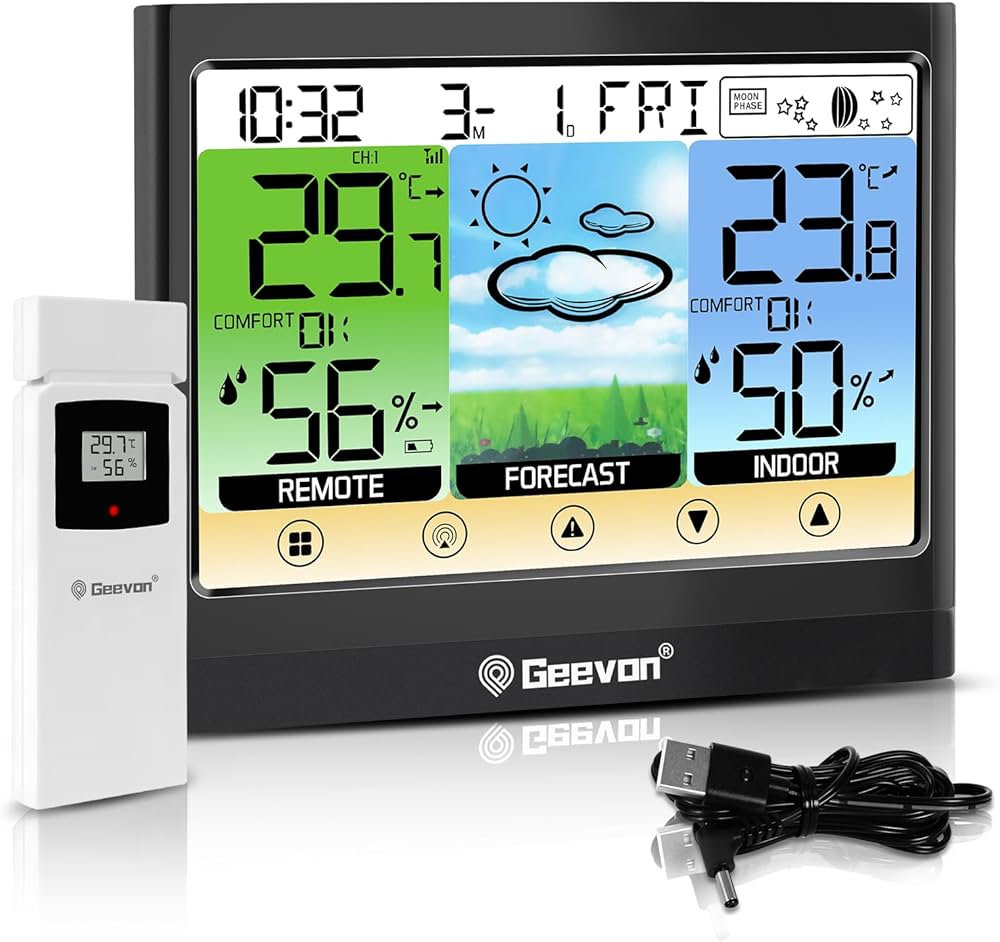
Can Outdoor Thermometers Measure Dew Point?
Outdoor thermometers are common tools for measuring temperature. Many people wonder if these devices can also measure dew point. Dew point is the temperature at which air becomes fully saturated with moisture. It tells us about humidity and comfort levels. Measuring dew point needs more than just a temperature reading. Let’s explore why outdoor thermometers alone cannot measure dew point.
Why Standard Thermometers Fall Short
Standard outdoor thermometers only measure air temperature. They do not measure moisture in the air. Dew point depends on both temperature and humidity. Without humidity data, you cannot find the dew point. Thermometers alone lack the sensors for moisture. This is why they cannot provide dew point readings.
Conditions Needed To Estimate Dew Point
Estimating dew point requires temperature and relative humidity. Devices called hygrometers measure humidity levels. Some instruments combine thermometers and hygrometers. These can calculate dew point accurately. Outdoor setups need both measurements for correct results. Simply knowing air temperature is not enough to estimate dew point.
Alternative Methods To Find Dew Point Outdoors
Outdoor thermometers cannot measure dew point directly. Dew point shows the temperature at which air becomes fully saturated with moisture. To find dew point outdoors, other tools and methods work better. These alternatives offer more precise and useful readings. They help you understand the moisture level in the air easily.
Using Hygrometers And Psychrometers
Hygrometers measure humidity, which helps find dew point. They show how much water vapor is in the air. Psychrometers use two thermometers: one dry and one wet. The difference in temperatures helps calculate dew point. These tools are affordable and simple to use. They provide accurate results for outdoor conditions. Many models are small and portable for easy carrying.
Smart Devices And Apps
Smart devices connect to sensors that measure humidity and temperature. They calculate dew point automatically and display it on your phone. Many apps use local weather data to estimate dew point. These tools give quick and reliable readings. You can check dew point anytime and anywhere. Smart options make monitoring weather simple and convenient.
Practical Tips For Accurate Dew Point Readings
Getting accurate dew point readings from outdoor thermometers requires careful attention. Small mistakes in setup or environment can lead to wrong data. These practical tips help ensure your dew point measurements are reliable and useful.
Proper Placement Of Instruments
Place your thermometer in a shaded spot to avoid direct sunlight. Sunlight heats the device and skews temperature readings. Mount the instrument at a height of about 4 to 6 feet above the ground. This position reflects the air where people usually breathe. Avoid placing it near walls, windows, or heat sources. These surfaces can give false readings due to trapped heat.
Environmental Factors To Consider
Wind can affect dew point readings by cooling the sensor unevenly. Try to position the thermometer where wind flows freely but not too strong. Surrounding vegetation or water bodies can change local humidity. These changes influence the dew point and need consideration. Keep the sensor clean and dry for the best results. Dirt or moisture on the sensor can distort the data.

Frequently Asked Questions
Can Outdoor Thermometers Measure Dew Point Accurately?
Outdoor thermometers alone cannot measure dew point. Dew point requires both temperature and humidity data. Specialized instruments like hygrometers or digital weather stations calculate dew point accurately using these values.
What Tools Help Outdoor Thermometers Measure Dew Point?
To measure dew point, outdoor thermometers need combined sensors. Devices like digital hygrometers or weather stations include temperature and humidity sensors. These tools compute dew point by analyzing air moisture alongside temperature readings.
Why Can’t Standard Outdoor Thermometers Measure Dew Point?
Standard outdoor thermometers only measure air temperature. Dew point depends on humidity levels, which thermometers do not detect. Without humidity data, thermometers cannot calculate or indicate the dew point accurately.
How Do Digital Weather Stations Show Dew Point?
Digital weather stations use temperature and humidity sensors. They process both values to calculate dew point in real-time. This integration allows outdoor monitoring of dew point alongside temperature and humidity readings.
Conclusion
Outdoor thermometers show temperature, not dew point directly. To find dew point, you need more tools or formulas. Many devices combine temperature and humidity sensors for this. Knowing dew point helps predict weather and comfort levels. Simple thermometers alone cannot give this detailed info.
Choosing the right tool matters for accurate measurements. Understanding what your thermometer shows can save confusion. Keep this in mind when checking outdoor weather data.

