

Most modern electric kettles are BPA free in water-contact parts; check labels and materials to be sure.
I’ve studied kitchenware safety and tested many kettles. I will explain clearly whether electric kettles contain BPA. I will show how to tell if a kettle is BPA free. I will share tips from hands-on use and buying advice. Read on to make a safe choice for your home.

Understanding BPA and why it matters
BPA stands for bisphenol A. It is a chemical used to make some hard plastics and resins. BPA can act like a hormone in the body. That is why people worry about it in food and drink tools.
Health concerns focus on long-term exposure. Studies link BPA to hormonal and developmental effects in high doses. Regulators in many countries limit BPA in baby products. That makes consumers ask: Are electric kettles BPA free? I will break this down step by step.

Are electric kettles BPA free? — What to expect
Are electric kettles BPA free? The answer depends on the model and the parts. Many brands use stainless steel or glass for water contact. Others use plastic lids, handles, or bases that may contain BPA.
Higher-end kettles often advertise “BPA free.” Low-cost models may not state materials. Older kettles are more likely to use BPA plastics. Always check the product label or manual so you know what parts touch water.

Common materials in electric kettles and BPA risk
Stainless steel
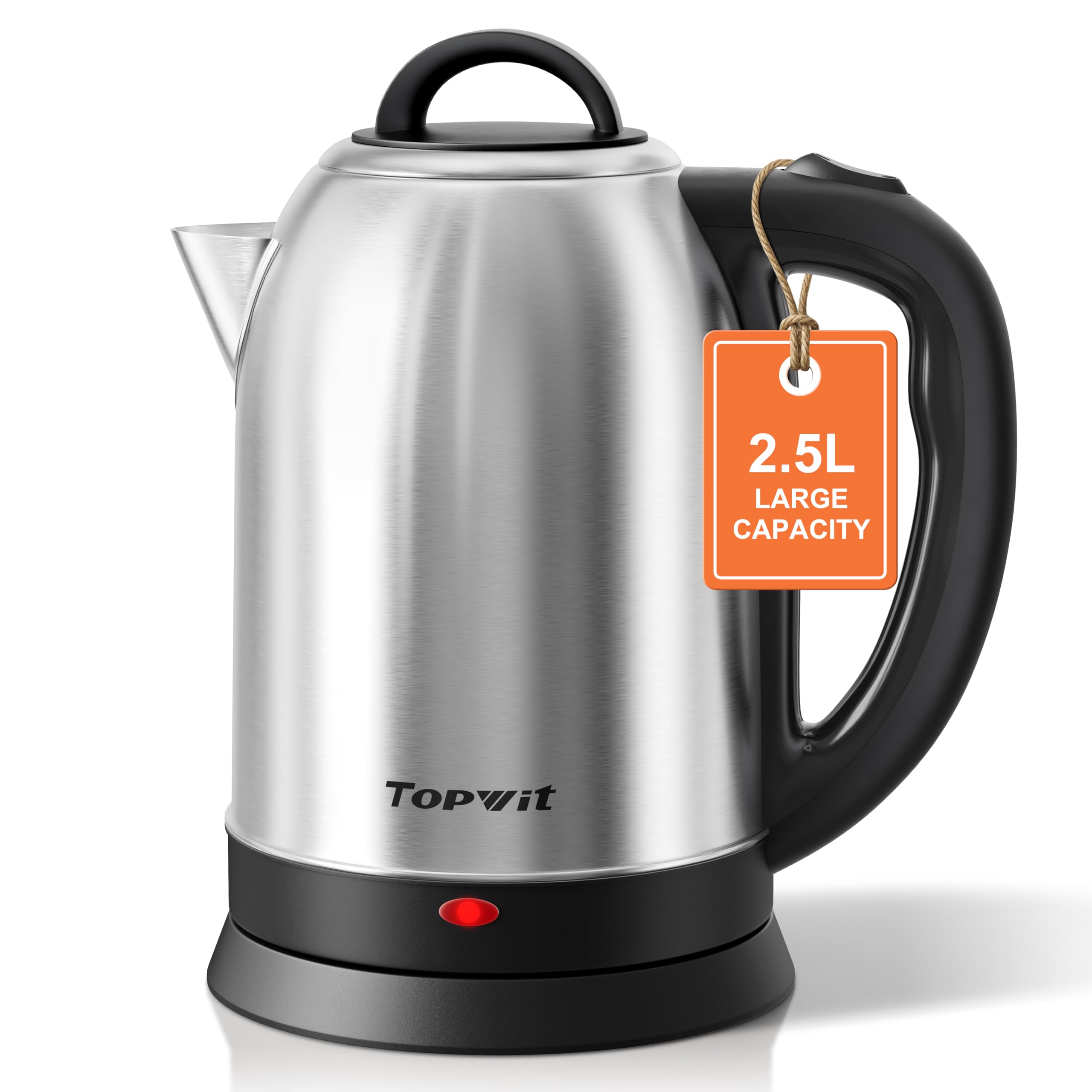
- Most stainless steel kettles have no plastic inside the water chamber. They are usually BPA free in contact areas.
- Some stainless steel kettles still use plastic lids or spouts. Those parts may or may not be BPA free.
Glass
- Glass kettles keep water away from plastic. They are a safe choice for BPA concerns.
- Glass bases and handles may include plastic. Verify the contact points.
Plastic
- Plastic kettles vary widely. Some use BPA-free plastics. Others may not.
- If plastic touches hot water, the risk of leaching rises. That is why it is important to check labels.
Ceramic and enamel
- These tend to be BPA free for water contact. Coatings should be food-safe. Check for chips in enamel, which can expose metal underneath.

How to tell if an electric kettle is BPA free
Look for labels
- Search for “BPA free” on packaging or product pages. Brands that avoid BPA usually advertise it.
- Check the instruction manual for material details.
Inspect the water chamber
- If the water touches only stainless steel or glass, it’s likely BPA free.
- Lids and spouts that have visible plastic should be checked.
Contact the manufacturer
- Email or call the maker to ask which parts contain BPA.
- Ask for material certifications or statements.
Read reviews and tests
- Real user reviews often mention smells or plastic taste. Those signs can point to plastic contact.
- Third-party tests and lab results are useful for confirmation.

Health implications of BPA from kettles
BPA can migrate into hot liquids from plastic. Hot water speeds up chemical leaching. Even small amounts worry some consumers.
For typical use, exposures from a BPA-free kettle are minimal. If a kettle uses BPA plastics, repeated use with hot water can increase exposure. For infants and pregnant people, minimizing BPA is a cautious choice. Choosing glass or stainless steel reduces concern.
Personal experience and practical tips
I tested several kettles over years. I noticed a sharp plastic smell with low-cost plastic models. Replacing them with glass or stainless steel removed the smell. I now prefer kettles with visible metal chambers.
Practical tips from my kitchen
- Buy a kettle that clearly states “BPA free” if you prefer plastic parts.
- Choose all-steel or glass chambers to avoid doubt.
- Rinse new kettles several times before first use to remove manufacturing residues.
- Replace kettles if you smell persistent plastic or see discolored parts.

Buying guide: how to choose a BPA-free kettle
Set your priorities
- Prefer stainless steel or glass for water contact.
- Decide if cordless bases or plastic handles matter to you.
Check certification and labels
- Look for “BPA free” or material breakdowns in specs.
- Read product questions and answers on retail pages.
Compare materials and features
- Stainless steel heats fast and is durable.
- Glass gives visibility and is easy to clean.
- Plastic can be lightweight but check the grade and BPA claims.
Warranty and support
- Choose a brand with clear support and a warranty.
- Contact customer service to clarify unknown materials.

Maintenance and safe use tips to reduce BPA exposure
Regular cleaning matters
- Scale build-up can trap residue. Descale with vinegar or citric acid.
- Clean lids and spouts to remove trapped water.
Avoid boiling other liquids in plastic kettles
- Do not heat milk or sugary liquids in kettles not designed for them.
- Those substances can stick and increase chemical transfer.
Replace older kettles
- Older plastic kettles may degrade over time. Replace if cracked or smelly.
- Consider different material if you suspect plastic leaching.

Related concerns: microplastics and other chemicals
BPA is not the only worry. Plastics can release other chemical additives. Heat can cause tiny plastic particles to break off. Those microplastics are an emerging concern.
Choosing glass or steel reduces these risks. Using good cleaning and replacement practices also helps. Stay aware of newer research on plastics and hot liquids.
Frequently Asked Questions of Are electric kettles BPA free?
Are electric kettles BPA free?
Many kettles are BPA free in water-contact parts. Check product labels and materials to be sure.
How can I check if my kettle has BPA?
Look at the manual and product specs for “BPA free” claims. Contact the manufacturer if unsure.
Is stainless steel kettle always BPA free?
Stainless steel water chambers are usually BPA free. However, plastic lids or bases may still contain BPA.
Do glass kettles avoid BPA entirely?
Glass kettles avoid plastic contact for the water. But verify handles or bases for plastic parts.
Does boiling water release BPA from plastic?
Hot water can increase leaching from plastic. BPA-free plastics are safer, but metal or glass remains the best option.
Can BPA from a kettle harm health quickly?
Short-term exposure is unlikely to cause immediate harm. Long-term, repeated exposure is the main concern, especially for vulnerable groups.
Conclusion
Most modern electric kettles can be BPA free if they use stainless steel or glass for parts that touch water. Low-cost or older plastic models may still contain BPA, so check labels and manuals. Choose models that clearly state materials and “BPA free” if you want certainty.
Takeaway: prefer stainless steel or glass, rinse new kettles, and replace aged plastic units. If you found this helpful, try checking your kettle now and consider upgrading if it smells or shows wear. Leave a comment with your kettle model or subscribe for more kitchen safety tips.

