

Are you curious if you can trust your outdoor thermometer when it’s sitting in direct sunlight? You might have noticed strange temperature readings or wondered why your thermometer shows higher numbers on sunny days.
Understanding how sunlight affects your outdoor thermometer is key to getting accurate measurements. Keep reading, and you’ll discover simple tips to make sure your thermometer gives you the real temperature—not a misleading number that could throw off your plans.

How Outdoor Thermometers Work
Outdoor thermometers measure the temperature outside your home or garden. They work by sensing the air temperature around them. Different types use various methods to show the temperature. Understanding how they work helps you place them correctly. Proper placement ensures accurate readings and better weather awareness.
Types Of Outdoor Thermometers
There are several types of outdoor thermometers. The most common are mercury and alcohol thermometers. These use liquids that expand or contract with temperature changes.
Digital thermometers use electronic sensors to measure temperature. They often provide faster and easier-to-read results. Some digital models connect to apps for remote monitoring.
Dial or analog thermometers use a bimetallic strip that twists with temperature changes. This movement moves a needle to show the temperature on a dial.
How Sunlight Affects Temperature Readings
Direct sunlight can cause outdoor thermometers to show wrong temperatures. The sun heats the thermometer itself, not just the air. This makes the reading higher than the real air temperature.
Placing a thermometer in shade helps get true air temperature. Air moves better in shade, reducing heat buildup. This keeps the thermometer cooler and readings more accurate.
Some thermometers have shields to block sunlight. These shields allow air to flow but stop direct sun rays. This design keeps readings close to the actual temperature.
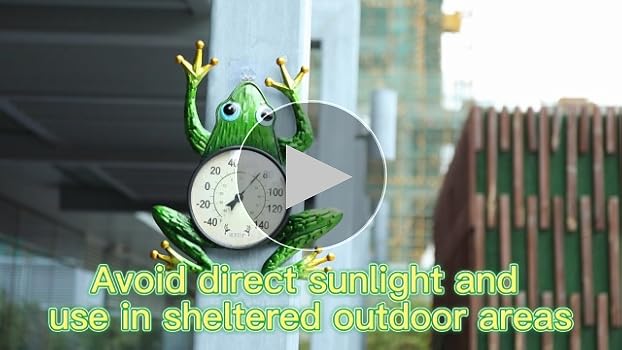
Problems With Direct Sunlight Exposure
Direct sunlight can cause several problems for outdoor thermometers. The sun’s rays affect the thermometer’s accuracy and durability. Understanding these issues helps protect your thermometer and get better readings.
Heat Distortion And Inaccurate Readings
Sunlight heats the thermometer beyond the actual air temperature. This extra heat causes the thermometer to show higher readings. The result is wrong information about the real weather. Heat distortion makes it hard to trust your thermometer’s data.
Thermometers work best in shaded areas where sunlight does not hit directly. Without shade, the sun warms the device, causing errors. This can mislead your decisions based on false temperature reports.
Material Damage From Uv Rays
UV rays from the sun break down plastic and other materials over time. The thermometer’s casing can crack, fade, or become brittle. This damage shortens the life of your outdoor thermometer.
Sun exposure also affects electronic parts inside digital thermometers. Continuous UV exposure can cause malfunctions or total failure. Protecting your thermometer from direct sun helps it last longer and work properly.
Best Locations For Outdoor Thermometers
Choosing the best location for an outdoor thermometer helps get the most accurate readings. Sunlight, wind, and height affect temperature measurements. Placing the thermometer correctly avoids false high or low numbers. This section highlights ideal spots for outdoor thermometers to work well.
Shaded Areas
Place the thermometer in a shaded spot to avoid direct sunlight. Direct sun can heat the device and show a higher temperature. A north-facing wall or under a tree works well. Shade keeps the thermometer closer to the real air temperature.
Proper Height And Ventilation
Mount the thermometer about 4 to 6 feet above the ground. This height avoids heat from the pavement or grass. Good airflow is important to cool the thermometer. Avoid corners or tight spaces where air does not move well. Proper ventilation helps the thermometer measure true air temperature.
Tips To Protect Your Thermometer
Protecting your outdoor thermometer helps it give accurate readings longer. Sunlight and weather can harm the device. Simple steps can keep your thermometer safe and working well.
Using Protective Covers
Use a cover designed to block sunlight and rain. A small shield or hood can reduce direct sun exposure. Covers help prevent overheating and damage from weather. Choose materials that resist UV rays for better protection. Place the thermometer in a shaded spot if possible.
Regular Maintenance And Calibration
Check your thermometer often for dirt or damage. Clean it gently with a soft cloth to avoid scratches. Test the thermometer in ice water to check accuracy. Adjust or recalibrate it according to the instructions. Regular care keeps readings reliable and extends the device’s life.
Choosing Thermometers For Sunny Spots
Choosing the right thermometer for sunny spots is important for accurate readings. Sunlight can heat the device and give false numbers. Picking a thermometer made for these conditions helps avoid errors. It also ensures the device lasts longer under harsh sun.
Solar-resistant Models
Solar-resistant thermometers have special coatings to block heat from the sun. They reduce direct sunlight effects and keep the temperature reading close to real air temperature. These models often include reflective surfaces or shields to protect the sensor. Many outdoor thermometers designed for sun use feature these protections.
Digital Vs Analog Options
Digital thermometers often have sensors that are less affected by sunlight. They show quick and clear readings on screens. Analog thermometers use liquid or dials that can heat up more in the sun. This may cause the reading to rise above actual temperature. Digital types usually give more reliable results in bright spots. Both types can work, but digital is better for sunny areas.

Frequently Asked Questions
Can Direct Sunlight Damage Outdoor Thermometers?
Yes, direct sunlight can cause inaccurate readings by heating the thermometer beyond the actual air temperature. Prolonged exposure may also degrade its materials.
How Does Sunlight Affect Thermometer Accuracy?
Sunlight heats the thermometer’s surface, leading to higher temperature readings than the true ambient air temperature. This distorts the data collected.
Where Should I Place An Outdoor Thermometer?
Place it in a shaded, well-ventilated spot away from direct sunlight and heat-reflecting surfaces for accurate readings.
Can I Use A Solar Shield With My Thermometer?
Yes, solar shields help block direct sunlight, improving accuracy by preventing overheating of the thermometer sensor.
Conclusion
Placing an outdoor thermometer in direct sunlight can cause false readings. Sun heat warms the device, not the air. For accurate results, find a shaded, ventilated spot. This helps measure true outdoor temperatures. Protect your thermometer from rain and snow too.
Following these tips keeps your readings reliable. Remember, correct placement matters more than the thermometer type. Stay aware of sunlight’s effect on temperature tools. This small step improves your weather tracking every day.

